

Restaurant leak detection is harder than domestic work because high daily water use masks the loss, and constant steam and heat disguise the visual signs. The reliable checks are an overnight water meter reading when the kitchen is idle, then a non-invasive survey using acoustic and thermal methods, carried out between services so the kitchen never has to close.
In This Guide
Why restaurant leaks stay hidden
A commercial kitchen uses water constantly through service: dishwashers cycling, prep sinks running, combi ovens steaming, glass washers behind the bar. Against that background, a leak losing even a steady trickle around the clock simply disappears into the daily total. Nobody notices a few extra cubic metres a month when the meter is already spinning through service every day.
Restaurant premises also hide leaks physically. Pipework runs behind fitted stainless steel units, under tiled and screeded floors built for washdown, and through voids above suspended ceilings. A domestic leak often announces itself with a damp patch on a living room wall; a commercial kitchen leak can run for months behind a bank of equipment nobody moves between deep cleans.
The first sign is often indirect: a musty smell in a dry store, lifting floor tiles near the pass, a water bill that has crept up quarter on quarter, or damp appearing in the premises next door. By that point the leak has usually been running for a while.
Steam, grease and heat complications
Kitchens work against the two main tools of visual leak diagnosis. Steam from cooking and dishwashing means condensation on cold surfaces is normal, so damp on a wall or ceiling doesn’t automatically mean a leak the way it might in an office. And the constant heat from ranges, ovens and refrigeration compressors muddies a thermal camera’s picture during service, since half the room is a hot spot for legitimate reasons.
Grease adds a third complication. Extraction systems and years of cooking leave a film on surfaces that can seal in moisture or disguise staining, and floor drains and grease traps introduce smells that get blamed for odours actually caused by damp.
None of this makes detection impossible. It means the survey has to be planned around the kitchen’s rhythm: thermal imaging works best when equipment has been off for hours and the building has settled, which is exactly why out-of-hours surveys suit restaurant premises so well.
The overnight meter check
Before booking anything, one simple test tells you whether you have a leak at all. Unlike most Scottish households, business premises are metered, which turns the meter into a diagnostic tool.
1. Close down as normal
At the end of service, make sure everything that uses water is genuinely off: dishwashers finished their cycles, ice machines idle if they can be safely paused, no urinals on constant flush.
2. Read the meter last thing
Note the full reading including the red dials or smallest digits, and the exact time. Photograph it rather than writing it down, the timestamp helps.
3. Read it again before prep starts
Take a second reading before anyone runs a tap in the morning. Any movement between the two readings is water going somewhere while the building was empty.
4. Repeat once to confirm
Ice machines, water boilers and some refrigeration equipment draw water intermittently, so one night’s reading can mislead. Two consistent overnight losses make a leak the likely explanation.
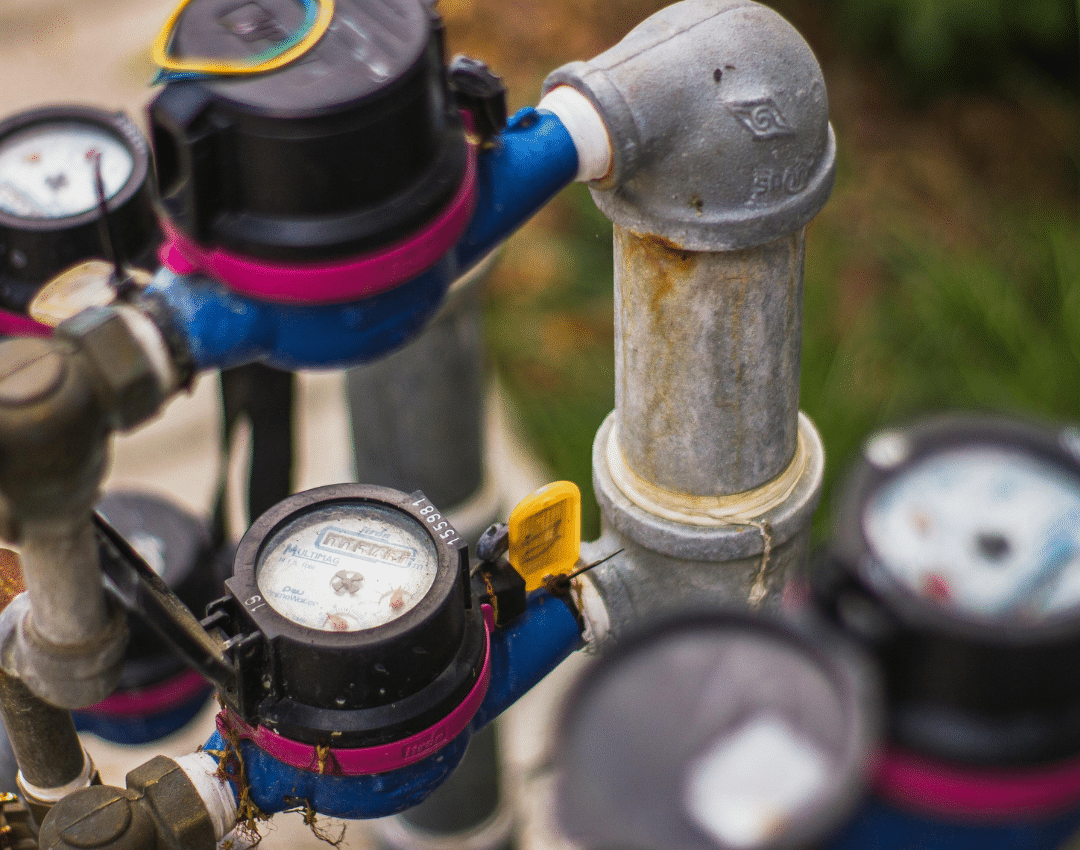
The meter never lies
An overnight meter check is the single most useful thing a restaurant owner can do before calling anyone. It costs nothing, takes two minutes at close and two at open, and it separates "our bills feel high" from "we are definitely losing water somewhere". Bring those readings to the first phone call and the survey can be scoped properly from the start.
What a leak costs a restaurant
For a metered business, a leak shows up twice: once on the water bill, where every lost litre is paid for, and again in the damage it does to the building. The Association of British Insurers estimates escape of water costs insurers about £1.8 million in payouts every day, and commercial claims carry costs a domestic claim doesn’t: closed covers, cancelled bookings, stock losses and staff standing idle while floors dry out.
There’s also the environmental health dimension. Persistent damp in food preparation or storage areas is the kind of thing an inspection picks up on, and no operator wants a conversation about mould in the dry store during a visit. Fixing the moisture source promptly is far easier than explaining it later.
Most buildings insurance includes trace and access cover, which pays for finding the leak and making good the access damage from the search, though not the pipe repair itself. Price-comparison service Confused.com notes most policies cover up to about £5,000 of trace-and-access costs. A documented survey report matters here: our reports are insurance-approved, so the findings slot straight into a claim rather than needing to be redone.
Water bill creeping up service after service?
We survey restaurant and commercial kitchen premises overnight or between services, so you get answers without losing a single cover.
Surveys between services
The practical worry for any operator is closure. A leak survey that shuts the kitchen for a day costs more in lost trade than the survey itself, which is why commercial leak detection for restaurants is usually planned around the business rather than the other way round.
An overnight or between-services window actually improves the survey, for the reasons above. With equipment cold and the building quiet:
- Thermal imaging reads clean temperature differences across floors and walls, without heat from ranges and refrigeration masking the pattern a leaking hot pipe leaves.
- Acoustic listening picks up the sound of escaping water clearly, without extraction fans, compressors and dishwashers drowning it out.
- Tracer gas (a safe mix of 5% hydrogen and 95% nitrogen introduced into the isolated pipe) finds the escape point through tiled and screeded floors, with the gas detected at the surface by a sensitive probe.
Because these methods are non-invasive, there’s no exploratory breaking of tiles or opening of walls to find the problem, the damage is limited to whatever the eventual repair genuinely needs. We’ve surveyed premises where the leak sat under the one section of floor the owner was convinced it couldn’t be, which is exactly why the technology leads the search rather than guesswork. The same out-of-hours approach suits schools and campuses and care homes, where daytime disruption is even harder to absorb.
Leak allowances for metered businesses
Scottish businesses buy water through a licensed provider, and a leak or burst allowance can apply once a leak is fixed. The process, as set out by Business Stream: repair the leak first, take meter readings about a week apart to show usage has returned to normal, and supply a repairer’s report as evidence. If approved, the wholesaler grants an allowance for the excess water lost.
That paper trail is worth planning for from the start. A survey report identifying the leak location, followed by a documented repair, gives your provider exactly what the allowance application needs. Skipping the documentation and just getting it patched quietly can mean paying for every litre the leak wasted.
For hotels with restaurant floors, the same logic scales up, and the stakes rise with guest rooms above the kitchen. Our work on leak detection for hotels and guest houses covers that overlap in more detail.
Frequently Asked Questions
Take a water meter reading after close-down and another before morning prep, with all equipment off. Movement between the two readings on consecutive nights points to a leak. Rising bills, musty smells and lifting floor tiles are supporting signs worth noting.
No. Restaurant surveys are usually carried out overnight or between services, when the kitchen is idle. The quiet, cool conditions actually improve the accuracy of acoustic and thermal methods, so working out of hours suits both sides. You keep trading as normal while the survey happens around your schedule.
High daily water use masks a steady hidden loss, and commercial kitchens hide pipework behind fitted units and under screeded floors. A leak can run for months without a visible sign. An overnight meter check confirms whether water is escaping while the building is empty.
Metered businesses in Scotland can apply for a leak or burst allowance through their licensed water provider. Repair the leak first, take meter readings about a week apart, and supply a repairer’s report; if approved, the wholesaler grants an allowance for the excess water lost.
Yes, kitchen steam condenses on cold surfaces and can mimic leak staining, which is one reason visual diagnosis alone is unreliable in restaurants. Moisture readings and thermal imaging taken when the kitchen is cold separate condensation from a genuine leak.
Non-invasive methods locate it first, so only the confirmed spot needs opening up. Tracer gas introduced into the isolated pipe escapes at the leak point and is detected at the surface with a probe, which works through tiled and screeded commercial floors.
📍 Professional Leak Detection Across Scotland
Don’t let a small problem become a big one
A hidden kitchen leak costs you on the bill, the building and the bookings. Our non-invasive overnight surveys find it fast, with an insurance-ready report at the end.