

Central heating leak sealer works by carrying fine particles through the system that swell and clog small gaps where water is escaping. It can slow a minor weep temporarily, but it doesn't repair the actual fault, and the same particles can build up in boiler heat exchangers, pumps and valves. For anything more than a pinhole weep, finding the real source and fixing it properly is the safer route.
In This Guide
How leak sealer actually works
Central heating leak sealer is a bottled additive poured into the system, usually through the filling loop or a radiator bleed valve, that circulates with the heating water. It contains fine fibres or particles designed to be carried to the point where water is escaping. As water pushes out through a tiny gap, those particles get forced into the gap alongside it, and swell or clump enough to slow or stop the flow.
That's the theory, and for a genuine pinhole in a radiator, it can sometimes work reasonably well, at least for a while. The problem is that the same mechanism that plugs a leak also means the additive is circulating through every other part of the system: the boiler's heat exchanger, pump, diverter valves and thermostatic radiator valves.
Why it feels like it's worked
Pressure stops dropping. The drip under the radiator stops. Understandably, most people take that as the leak being fixed and move on. What's actually happened is the gap has been physically bunged with sealant particles rather than repaired at a material level. The pipe or joint is still damaged; it's just plugged.
That plug can hold for weeks or months, then fail again, sometimes at the original spot and sometimes because pressure has pushed the blockage somewhere else in the system. We've seen customers dose a system twice, convinced it's finally worked, only to be back with a bigger leak a few months later because the underlying fault was never addressed.
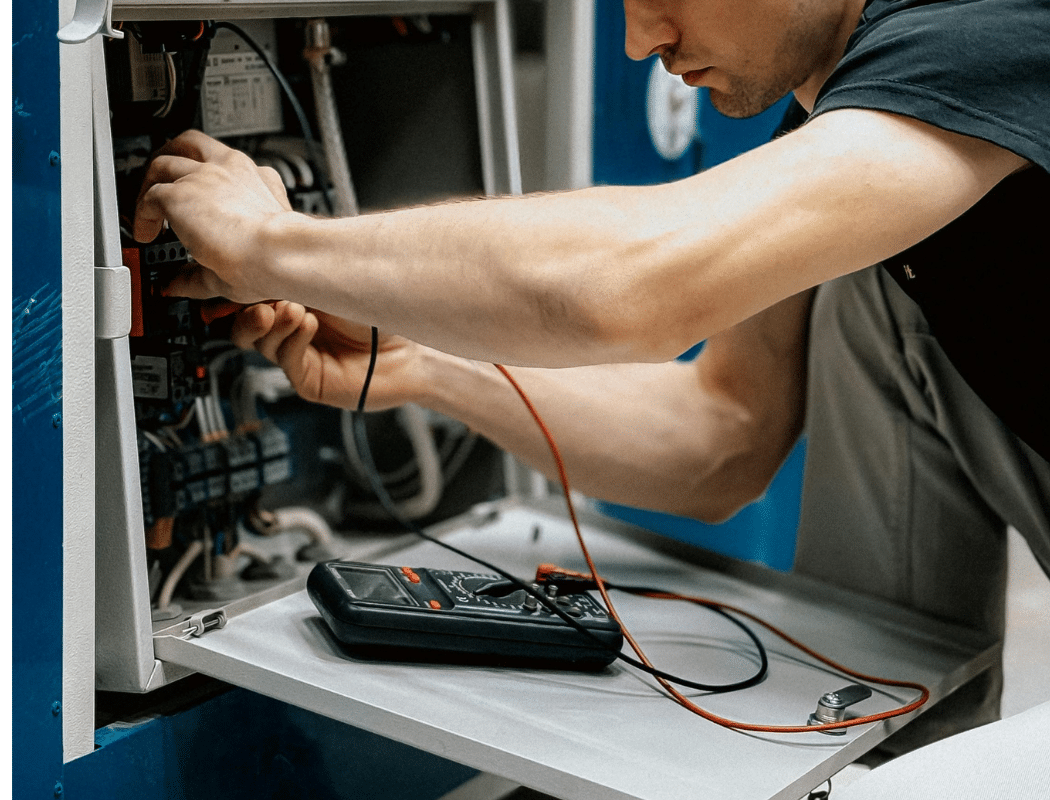
What proper diagnostics look for
Rather than masking a symptom, a proper survey finds the actual failed joint, pinhole or corroded section of pipe. That means the repair addresses the cause, and there's no sealant left circulating in the system to cause problems somewhere else later.
Where the clogging risk comes from
Modern boilers, especially combi boilers, have narrow waterways inside their heat exchangers. That's part of what makes them efficient, but it also means there's very little room for sealant particles to build up before they start restricting flow. The same applies to modern pumps with fine tolerances and thermostatic radiator valves with small internal passages.
Once sealant particles start collecting in those narrow points, you can end up with reduced flow, noisy operation, or a boiler that starts losing pressure or cutting out for reasons that have nothing to do with the original leak. At that point you're not dealing with one fault anymore, you're dealing with a leak that was never fixed plus a secondary problem the sealant created.
Warranties and manufacturer guidance
Some boiler manufacturers are cautious about leak sealants and additives used in their systems, and using an unapproved product can affect a warranty claim if the boiler later develops a fault linked to blocked components. This varies by manufacturer and product, so it's genuinely worth checking your boiler's handbook or manufacturer guidance before pouring anything into the system, rather than assuming it's risk-free.
If you can smell gas near your boiler at any point, stop what you're doing, evacuate the property, and call the National Gas Emergency line on 0800 111 999 immediately. Leak sealants and water leak detection both deal with water systems, not gas faults.
When a bottle might be reasonable
Might be worth trying
- A very small, slow weep from a single radiator with no other symptoms
- A stop-gap measure while you wait for a proper appointment
Not a sensible approach
- Repeated dosing after a previous bottle stopped working
- Any leak affecting the boiler itself rather than a radiator or pipe
- Leaks combined with falling pressure, noise, or fault codes
Our guide on what to do when a radiator's leaking covers the quick checks worth doing before reaching for a bottle at all.
Signs the sealer hasn't actually fixed anything
- Pressure creeping down again within a few weeks of dosing the system.
- A new noise from the pump or boiler that wasn't there before.
- Radiators heating unevenly, suggesting flow is now restricted somewhere.
- The original damp patch returning, even faintly, near the same radiator or pipe run.
- Boiler fault codes appearing that weren't present before treatment.
Any of these point to the leak sealer masking rather than solving the problem, and it's time to find the actual source. Our piece on finding a leak in a central heating system covers the DIY checks worth running before calling anyone out.
The proper find-and-fix path
The reliable approach starts with confirming there is a leak at all, usually through a pressure drop test, then narrowing down where it is. Thermal imaging picks up the temperature difference where water is escaping into a wall, floor or ceiling void, even when nothing is visible on the surface yet. Once the fault is confirmed and located, a proper repair addresses the actual pipe, joint or component, not just the symptom.
Our central heating leak detection service is built around this: locate the exact fault non-invasively, then hand over a clear report so the repair, whether that's yours or your heating engineer's, targets the right spot the first time. For a wider look at causes and signs beyond sealant, our guide on detecting central heating leaks is worth reading alongside this one.
Tried leak sealer and it hasn't lasted?
We'll find the actual source of the leak using non-invasive thermal imaging, so the repair fixes the fault instead of masking it again.
Frequently Asked Questions
It can temporarily slow or stop a very small weep by physically plugging the gap with fine particles, but it doesn't repair the underlying fault. The pipe or joint is still damaged, so the leak often returns, sometimes at the same spot and sometimes elsewhere.
It can. The same particles designed to plug a leak circulate through the whole system, including the boiler's heat exchanger, pump and valves, which have narrow internal passages that can become restricted or blocked over time.
It can, depending on the manufacturer and product used. Some manufacturers are cautious about unapproved additives in their systems. Check your boiler's handbook or contact the manufacturer before adding any sealant if the boiler is still under warranty.
Watch your boiler pressure over the following weeks. If it holds steady with no new noises, uneven heating, or fault codes, it may have worked for a minor weep. If pressure creeps down again or new symptoms appear, the leak hasn't been fixed.
For anything beyond a very minor radiator weep, get the actual leak location confirmed first. Thermal imaging can find a hidden leak without opening up walls or floors, so the repair addresses the real fault rather than masking it.
For a very small, slow radiator weep it's sometimes used as a short-term stop-gap, but repeated dosing, or using it on a leak near the boiler itself, risks compounding the problem rather than buying useful time.
This usually means the sealant hasn't sealed the actual gap, or has moved and the leak has reopened. Continuing pressure loss after treatment is one of the clearest signs the underlying fault still needs to be located and repaired properly.
📍 Professional Leak Detection Across Scotland
Stop guessing and get the leak confirmed properly
Our non-invasive surveys locate central heating leaks without lifting floors or draining the whole system unnecessarily, with a clear report to hand to your heating engineer.