

Before hiring a leak detection company, ask about their equipment, whether a written report is included, their experience with insurance claims, how they reinstate access after testing, and their track record on finding leaks. Clear, specific answers to these questions leak detection company queries separate genuine specialists from a plumber guessing with a moisture meter.
In This Guide
Why the right questions matter
Leak detection is not a regulated trade the way gas work is, which means anyone with a moisture meter can call themselves a specialist. Asking the right questions leak detection company owners should be able to answer without hesitation tells you a lot about who you are actually hiring, before you have paid anyone a penny or let them near your walls.
The difference between a genuine specialist and someone winging it usually shows up in specifics: what equipment they carry, whether they document what they find, and what happens after the leak is confirmed. Vague answers here are the clearest warning sign.
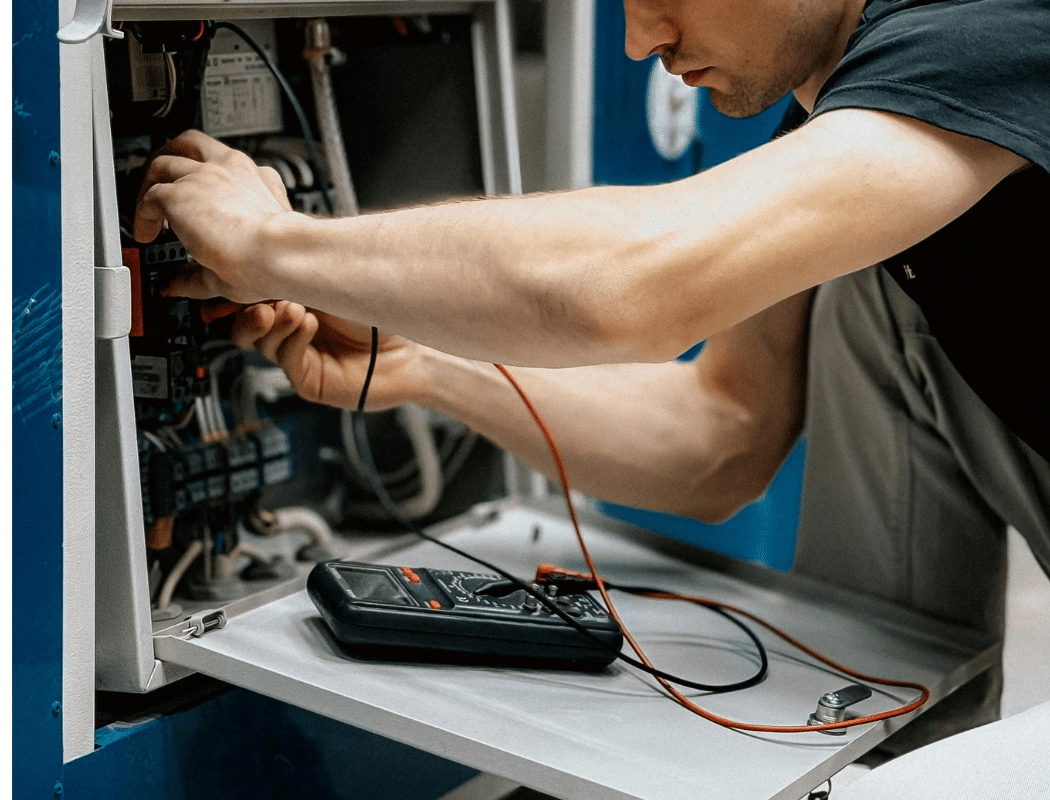
What a proper diagnostic visit looks like
A specialist arrives with more than one tool and a process for using them in sequence, as shown above. If a company cannot describe this process clearly before they arrive, that is worth noting.
Questions about equipment and method
1. What equipment will you actually use on my property?
A good answer names specific methods, thermal imaging, acoustic listening equipment, tracer gas, and explains which one suits your situation and why. A vague answer about "specialist tools" without naming any is a red flag. If someone cannot tell you what is in their van and why, they are guessing as much as you are.
2. Is the method non-invasive?
Non-invasive methods find the leak without cutting into walls or floors first, which matters enormously for cost and disruption. Ask directly whether they will need to open anything up just to start looking. A company that reaches for a hammer before a thermal camera is skipping a step that could save you a repair bill.
3. How do you handle a leak in a sealed system like central heating?
Sealed circuits, heating and underfloor heating loops, respond well to tracer gas testing. A company that only mentions listening equipment for every job, regardless of pipe type, may not have the full range of tools. Central heating leaks in particular need a method suited to a pressurised, closed system rather than an open mains pipe.
Questions about the report
4. Do I get a written report, and is it included in the price?
A proper survey ends with documentation: what was tested, what was found, and where. If a report costs extra or is not offered at all, ask why, since this document is often what an insurer or a buyer's solicitor will actually want to see. A verbal "it's somewhere behind that wall" is not enough on its own.
5. Is the report suitable for an insurance claim?
Not every report is written in a format insurers accept. Ask specifically whether their reports are insurance-approved, and whether they have handled claims before. This one question alone can save weeks of back-and-forth if you end up needing to make a claim later.
Comparing companies before you book?
We provide insurance-approved reports as standard, and we are happy to answer every one of these questions before you commit to anything.
Questions about insurance experience
6. Have you worked with insurers before?
Insurance claims involving water damage often hinge on trace and access cover, which, per price-comparison service Confused.com, pays for finding and reaching a leak (commonly up to around £5,000) but not for repairing the pipe itself. A company with real experience here will know this distinction without you having to explain it, and will already understand what evidence an adjuster expects to see.
7. Will you liaise directly with my insurer if needed?
Some companies will speak to loss adjusters and provide supporting evidence directly. Others leave that entirely to you. Knowing this upfront saves confusion later, especially if you are working through a claim under time pressure and do not want to be the go-between on every technical question.
If you want to understand trace and access cover in more depth before your survey, our guide on what happens during a leak detection survey covers how the process ties into a claim from start to finish.
Questions about access and reinstatement
8. What happens if you do need to open something up?
Even non-invasive methods sometimes need a small access point once the leak is confirmed. Ask whether they make good afterwards, or whether that is left entirely to you or a separate contractor. Getting this answered upfront avoids an awkward surprise once the survey is finished and the invoice arrives.
9. How long will the survey take, and what does that depend on?
A clear answer acknowledges that timing depends on the property and access, rather than promising an unrealistic fixed time for every job regardless of complexity. Our guide on how long does leak detection take sets out realistic expectations by scenario, worth reading before you compare quotes.
- Ask for a rough timeframe, not a guarantee: good companies explain what affects timing rather than overpromising.
- Ask who reinstates access points: get this in writing if it is included in the quote.
- Ask what happens if the first method does not find it: a genuine specialist has a next step, not a shrug.
Questions about track record and cost
10. What is your success rate, and how many leaks have you actually found?
Numbers matter here. We can answer this one plainly: a 99% success rate across more than 5,000 leaks detected, built up over more than 30 years in the trade. Any company you are considering should be able to give you a similarly concrete answer, not a vague claim about being "the best in the area" with nothing behind it.
On cost, specialist firms across the UK typically publish prices between about £500 and £1,500 depending on the job, though the right figure for your property depends on its size, access and complexity. We do not publish a fixed price list because every job is different, which is why we offer a free quote rather than a guess over the phone. Be wary of anyone quoting a firm price before they have seen the property or asked a single question about access.
If you are still weighing up whether you need a specialist at all, or whether your usual plumber can handle it, our comparison of a leak detection specialist vs plumber lays out when each is the right call. And if this is for a property you are about to buy rather than one you already own, see our guide on buying a home in Scotland and why a leak survey beats a surprise, since the questions worth asking shift slightly for a pre-purchase job.
One more thing worth asking, even though it rarely makes anyone's checklist: what happens if they cannot access the suspect area at all on the day, a locked loft hatch, a tenant who is not home, furniture nobody moved. A company with a sensible answer here has clearly done this before.
Frequently Asked Questions
No, unlike gas work there is no single regulatory body specific to leak detection. That makes asking direct questions about equipment, experience and reporting more important than assuming a qualification exists to check.
Whether the report is included and suitable for an insurance claim. This single answer reveals a lot about how thoroughly a company documents its work and whether they understand what insurers actually need.
It is sensible to compare, particularly on method and reporting rather than price alone. A cheaper quote that skips a proper report or uses only one detection method can cost more in the long run if the leak is missed.
It helps, since you can point out what you have noticed and ask questions as the engineer works. It is not always essential, but most companies will want access arranged and someone available to discuss findings afterwards.
Ask this before booking. A genuine specialist will explain their next step, additional testing methods or a follow-up visit, rather than leaving you with no answer and a bill regardless of outcome.
It matters a lot for peace of mind and for limiting ongoing damage. Ask whether same-day diagnosis is realistic for your situation, since it usually is for standard domestic properties with reasonable access.
📍 Professional Leak Detection Across Scotland
Don't let a small problem become a big one
Ask us any of these questions before you book. We will give you straight answers, backed by a 99% success rate across more than 5,000 leaks detected.