

Pipe lagging is foam or fibre insulation fitted around water pipes to stop them freezing and bursting in cold weather. Lag any pipe in an unheated space first: lofts, garages, external walls and outbuildings. Foam sleeves cost little to fit, and Scottish Water calls insulating pipes and tanks one of the simplest ways to avoid a winter burst.
In This Guide
Why pipe lagging matters in Scotland
Water expands by about nine per cent when it freezes. A pipe full of ice has nowhere for that pressure to go, so it splits. You often don’t see the split until the ice melts and water starts pouring out, sometimes into a ceiling or a wall cavity where nobody notices for hours.
Scottish Water recorded around 3,100 pipe bursts across the country in winter 2023/24, and more than 30% of those were on customer-owned property rather than the mains network. Its advice to homeowners is blunt: heat, insulate and protect. Lagging is the insulate part, and it’s the cheapest of the three.
Insurer NFU Mutual puts the average burst-pipe home insurance claim at around £10,000. During the "Beast from the East" cold snap in 2018, it handled over 1,660 frozen-pipe claims, roughly ten times what it sees in a mild winter. Pipe lagging won’t stop every burst, but it removes the easiest, cheapest cause.
What to lag first
Not every pipe in the house needs the same attention. Prioritise anything that runs through a space without heating, because that’s where the cold actually reaches the pipework.
- Loft pipework: cold water feeds and the tank itself sit above the insulation layer, so they get colder than the rooms below.
- Garages and outbuildings: often unheated year-round, and frequently where the stopcock or an outside tap supply runs.
- External walls: pipes boxed into an external wall cavity, especially in older stone or granite properties common across Scotland, can sit close to outside temperatures.
- Under-floor voids: suspended timber floors with pipework running through unheated crawl spaces.
- Exposed outdoor pipework: anything feeding an outside tap or a detached structure.
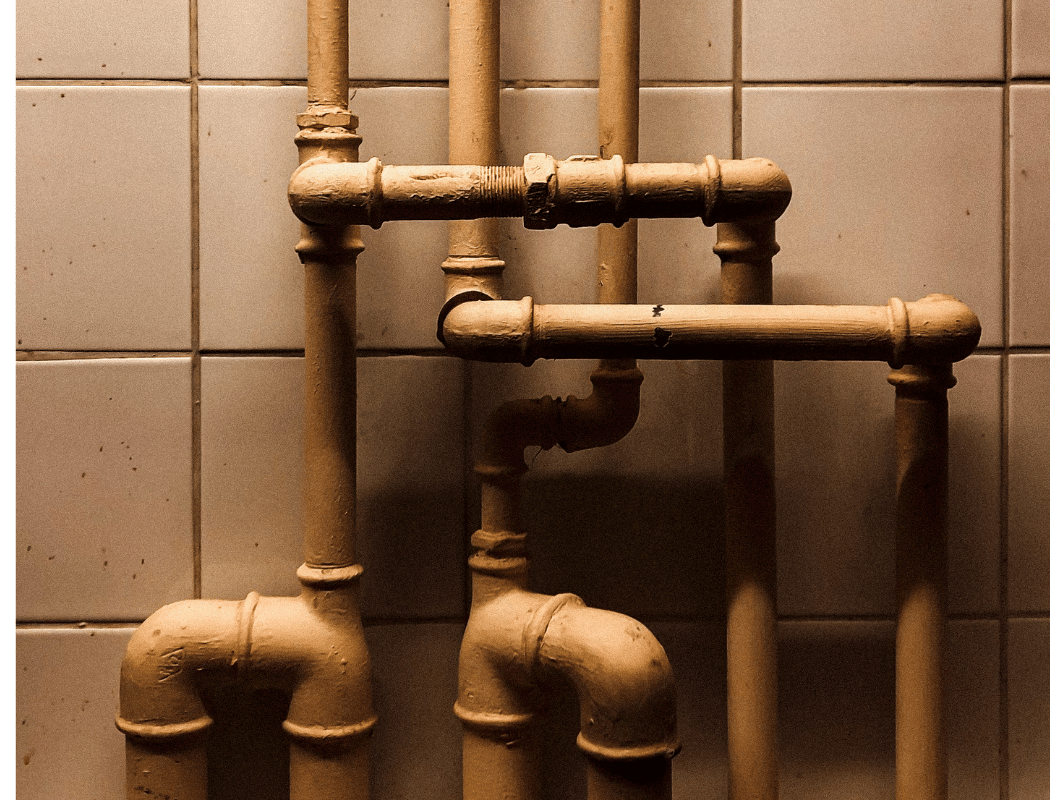
Older pipework needs more care
Older copper and lead pipework, common in pre-war Scottish tenements and cottages, tends to run in tighter, colder spaces than modern plastic systems. Joints are also more likely to have weakened over the decades, so a freeze-thaw cycle finds the weak point fast. If you’re not sure what’s behind a wall or under a floor, a survey using thermal imaging or acoustic listening can map the pipe run before you start cutting into anything.
Lagging materials compared
Most DIY sheds and plumbers’ merchants stock two or three options. The right one depends on the pipe size and how exposed it is.
Foam pipe sleeves
- Slide straight over the pipe
- Cheapest and quickest to fit
- Good for straight, accessible runs
Where they fall short
- Split at bends and joints unless taped
- Thin foam gives less protection in a hard freeze
- Degrades faster outdoors without a jacket
Wrap-around fibre or mineral wool insulation costs more and takes longer to fit, but copes better around bends, valves and awkward junctions. For a loft tank, a purpose-made insulation jacket does a better job than loose lagging draped over the top. Whatever you choose, match the sleeve’s internal diameter to the pipe: a 15mm pipe needs a 15mm sleeve rather than a 22mm one with gaps down the side.
How to fit pipe lagging properly
1. Measure and buy enough
Measure every exposed run, including bends, and buy about 10% extra to cover joins and offcuts.
2. Clean and dry the pipe
Wipe off dust and any surface condensation before fitting. Lagging sticks and seals better on a clean pipe.
3. Slide the sleeve on, seam down
Most foam sleeves are pre-slit along one side. Open the slit, press it around the pipe, and turn the seam to face downward or against a wall where possible.
4. Tape every joint and seam
Use foil or duct tape at every join, at bends, and along the full length of the seam. This is the step most people skip, and it’s usually where the cold gets in.
5. Don’t forget valves and the stopcock
Stopcocks and isolation valves are common weak points. Purpose-made valve jackets or wrap-around tape cover the irregular shape better than a straight sleeve.
If you can’t reach a pipe run safely, or you’re not sure which pipes carry water into the loft tank versus overflow, don’t force access into a tight loft space in winter. A survey can identify what needs lagging without you having to crawl blind across joists in the cold.
Lagging the loft tank
The cold water storage tank in the loft, where a property still has one, needs its own insulation jacket rather than just a blanket thrown over the top. Fit the jacket so it wraps the sides and the base is lifted slightly off the loft floor insulation, because heat rising from the rooms below is one of the few things keeping that water above freezing.
Leave the top of the tank uncovered, though, or only loosely covered with a lid. Insulating over the top traps the small amount of rising warmth that would otherwise reach the tank, and it can also hide an overflow or a failing ball valve from view. We see plenty of loft tanks where someone’s lagged the top so well they didn’t notice the overflow pipe dripping for weeks.
Not sure your lagging is enough?
If a pipe has already frozen once, or you’ve had a slow drip you can’t place, a proper leak survey finds the exact spot before winter does the damage for you.
What lagging won’t fix
Lagging slows heat loss from a pipe. It doesn’t stop a freeze if the heating is off for days, if a pipe is already damaged, or if water is sitting still in a dead-leg with no flow at all. In a genuinely hard freeze, Scottish Water’s wider advice still applies: keep heating ticking over at a low background temperature rather than switching it off completely, especially in a property that’s going to sit empty.
If a pipe freezes despite everything, thaw it slowly and safely and check the full run for splits before the water goes back on. For the rest of the winter routine, our guide on preventing frozen pipes in Scotland covers heating habits, stopcocks and empty-property checks.
Lagging also can’t fix a leak that’s already there. If you’ve had recurring damp patches, a hissing sound behind a wall, or a water bill that feels high even though nobody’s mentioned a burst, that’s a job for plumbing leak detection rather than another layer of foam. Our surveys use non-invasive methods, so we’re not lifting floors or opening up walls speculatively to find the source.
Good lagging, fitted properly and checked every autumn, is genuinely one of the best-value jobs a homeowner can do before winter. It just needs pairing with the other two parts of Scottish Water’s advice: keep some heat running, and take extra care with any property that’s left empty for a stretch.
Frequently Asked Questions
Measure every exposed pipe run in unheated spaces such as the loft, garage and any external wall boxing, then add roughly 10% for offcuts and joins. Most homes need lagging on the loft feed pipes, the tank itself, and any pipework in a garage or outbuilding.
Yes. Plastic pipe still freezes and splits in cold conditions, it just behaves slightly differently under pressure than copper. Any pipe in an unheated space benefits from insulation, regardless of the material it’s made from, so lag plastic runs in lofts and garages the same way you would copper.
Wrap the sides of the tank but leave the top loosely covered or open. A fully sealed top traps in heat that would otherwise help stop the tank freezing, and it can also hide a leaking ball valve or overflow from view.
Lagging won’t thaw a frozen pipe, but fit it once the pipe has thawed out safely and you’ve checked for splits. Insulating a damaged pipe just delays you noticing the leak, so check the full length carefully first, including joints and bends where splits usually appear.
Lagging is passive insulation that slows heat loss. Heat trace (or self-regulating heating) tape actively warms the pipe using electricity. Lagging is usually enough for most Scottish homes; heat trace tends to get reserved for pipes in exposed outbuildings or holiday properties left unheated for long periods.
It can reduce condensation on cold-water pipes in warm rooms, since the insulation keeps the pipe surface closer to room temperature. Its main job in a Scottish winter, though, is slowing heat loss to prevent a freeze. Treat any condensation benefit as a bonus rather than the reason to fit it.
📍 Professional Leak Detection Across Scotland
Don’t let a small problem become a big one
If lagging and heating checks haven’t stopped a recurring damp patch or a pressure drop, our non-invasive surveys find the source and give you an insurance-ready report.