

If a pipe bursts, turn off the stopcock immediately, then open the lowest taps to drain remaining water. Switch off electrics near any water if it's safe to reach the switch. Photograph the damage, then call your insurer and a plumber. Insurer NFU Mutual puts the average burst-pipe claim at around £10,000.
In This Guide
The first 10 minutes, in order
A burst pipe is one of the few plumbing problems where the order you do things actually matters. Panicking and grabbing towels while water keeps flowing wastes the minutes that would have stopped the flow altogether. Work through this sequence instead.
1. Stopcock off
Turn it clockwise. This is the single most important action and should happen before anything else.
2. Open the taps
Run cold taps, starting with the lowest in the house, to drain water still sitting in the pipes.
3. Electrics off if safe
Switch off power to any area near standing water, but only if the switch itself is dry and reachable.
4. Move what you can
Get furniture, electronics and valuables away from the water while it's still manageable.
5. Photograph everything
Before you start clearing up, get clear photos of the damage for your insurer.
If you don't already know where your stopcock is, that's the first thing to sort out, today, not mid-emergency. Check under the kitchen sink, under the stairs, and in any airing cupboard, since that's where most are found.
Turning off the water
The stopcock controls all mains water entering the property, and shutting it is what actually stops the burst getting worse. Turn it clockwise, firmly, the same direction as closing a tap. If it's stiff from years of disuse, keep steady pressure rather than forcing it hard enough to snap the fitting.
Once it's off, open the lowest taps in the house to drain the water still sitting in the pipework above. This reduces the amount that can still leak out from the burst point and takes pressure off any remaining fittings.
When the burst is underground or under a slab
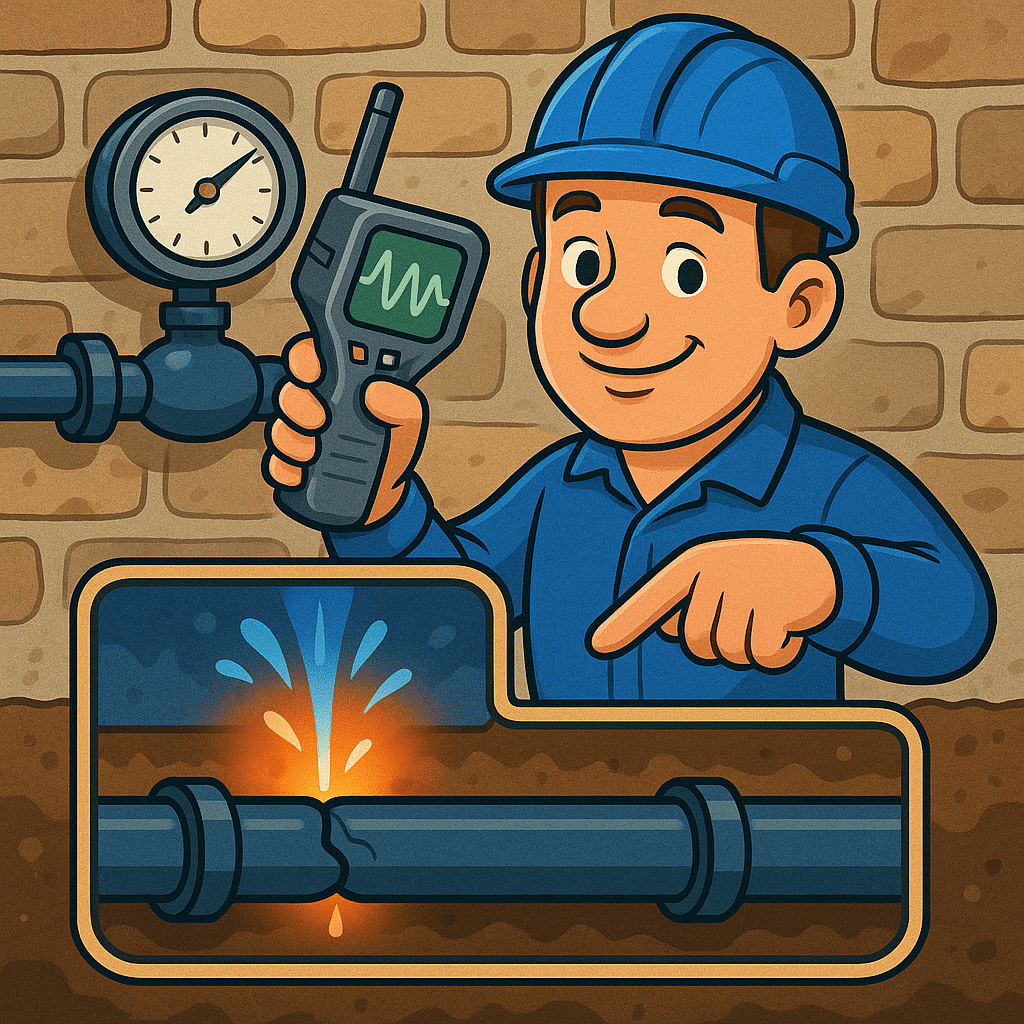
Not every burst shows itself indoors. A pipe failing under a driveway, garden or concrete floor can flood a void space for a while before water finds its way up. A wet patch in the garden or a warm spot on flooring alongside falling pressure is often the first visible clue.
Electrics and safety
Water and electricity are a genuinely dangerous combination, so treat this step carefully. If a switch or fuse box is dry and easily reachable, turning off power to the affected area is sensible. If reaching it means stepping into standing water, don't. Wait for a professional instead.
Ceiling lights are a particular worry if water's coming through from a floor above. A bulging or dripping light fitting means water has already got into the wiring, and the safest move is to stay well clear of that room and switch off the relevant circuit at the consumer unit if you can reach it safely.
Never touch a switch, socket or appliance with wet hands or while standing in water. If you're unsure whether it's safe, leave the electrics alone and call an electrician or the fire service for advice.
If the burst is affecting a boiler or central heating system rather than a standalone pipe, isolate it in the same way, then get a heating engineer to check the system once things are stable rather than restarting it yourself. Don't try to relight or reset a boiler that's been sitting near standing water.
Burst pipe already dealt with? Find out what caused it
Our engineers offer same-day capability to trace the source of a burst or hidden leak, so you know it won't happen again in the same spot.
Documenting the damage
Photograph the affected area before you start mopping up or moving damaged items, wide shots and close-ups both help. Note the time you noticed the burst and when you shut off the water. This record matters more than it feels like it should in the moment, since it's what your insurer will ask for first.
Keep any damaged items you can reasonably store rather than throwing them straight out, at least until your insurer confirms what they need to see. Soaked carpet, skirting board or furniture can all be evidence of the scale of the damage, and it's far easier to keep a few things aside now than to explain later what was lost.
Check the meter if you have one
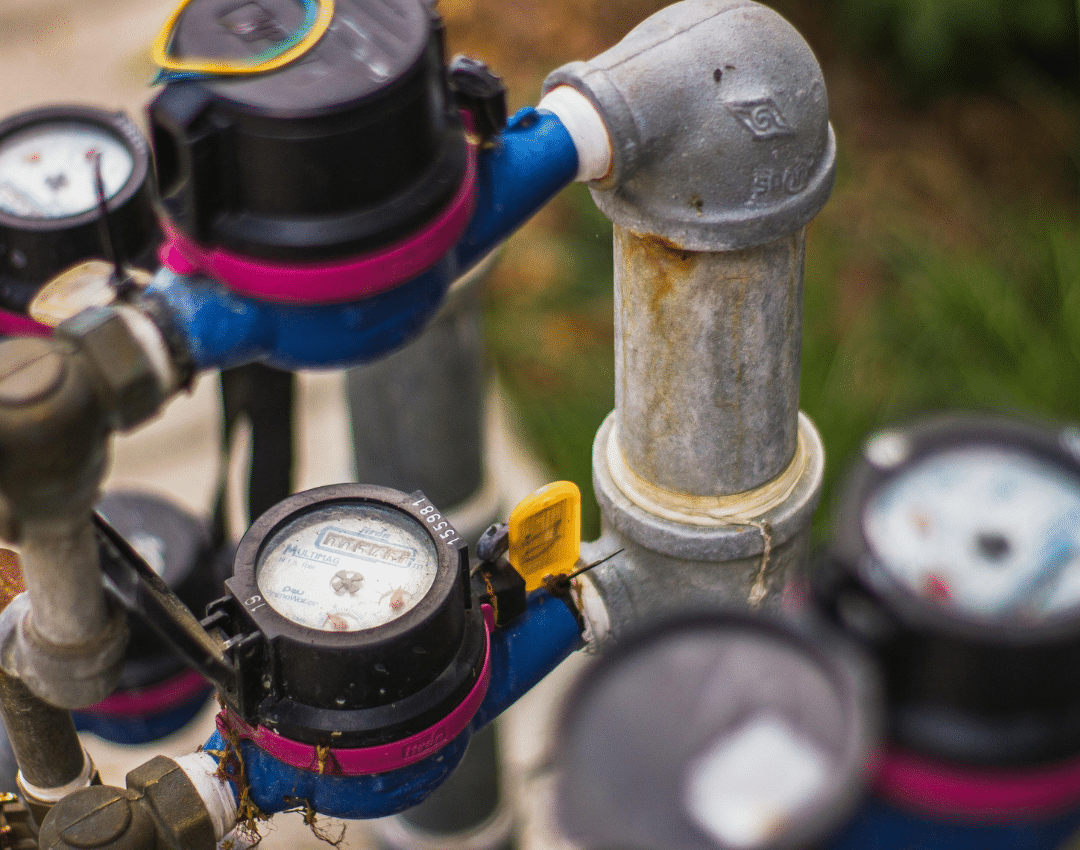
If your property has a water meter, note the reading once you've shut the stopcock. A meter that's still moving despite the stopcock being off can point to a second leak elsewhere, or confirm the main burst is now fully isolated.
Calling your insurer
Report the burst to your insurer as soon as the immediate danger is dealt with. Escape of water claims are common and costly: the Association of British Insurers estimates it costs insurers around £1.8 million in payouts every day across the UK, and NFU Mutual has reported an average burst-pipe claim of around £10,000, with almost 6,500 escape-of-water claims in 2023 averaging £9,670.
Your policy likely includes trace and access cover, which pays to find and reach the source of a leak, commonly up to around £5,000 according to Confused.com, though not to repair the pipe itself. Our water mains leak detection service can supply the insurance-approved report your claim will likely need.
After the immediate emergency
Once the water is off and the damage is documented, resist the urge to start major repairs before your insurer has been in touch, especially if you plan to claim. Get a plumber to assess the burst pipe itself, and if the cause isn't obvious, or if you're worried there's a related leak elsewhere in the system, a detection survey confirms the full picture before anything gets covered back up.
Cold weather is when we see this most: a burst that starts as one obvious failure often has a frozen section nearby that's about to do the same thing. Our guide on frozen pipes and how to thaw them safely is worth reading if the burst followed a cold snap.
It's also worth checking neighbouring properties if you're in a tenement or a semi-detached house sharing a wall. A burst on your side can sometimes trace back to a shared or adjacent section of pipework, and a quick conversation with the neighbour can save both of you from separate call-outs for what turns out to be the same problem.
Frequently Asked Questions
Turn off the stopcock immediately. It controls all mains water entering the property, and shutting it off is what stops the burst getting worse. Everything else, taps, electrics, photographs, follows once the water supply itself has been cut.
Only if the switch or fuse box is dry and easily reachable without stepping into water. If reaching it means walking through standing water, leave it alone and call an electrician. Water and electricity together are genuinely dangerous, so don't take risks here.
Insurer NFU Mutual puts the average burst-pipe claim at around £10,000, and reported almost 6,500 escape-of-water claims in 2023 averaging £9,670. The exact cost depends heavily on how long the leak ran before it was caught, which is why acting fast in the first ten minutes matters.
Once the stopcock is off, the immediate danger is contained, so you have a little breathing room. Still, call a plumber the same day if possible, since a temporary fix or ongoing drip elsewhere in the system can undo the good the stopcock did.
Most UK buildings insurance policies include trace and access cover as standard, commonly up to around £5,000, according to Confused.com, which pays for locating and accessing the leak. It does not cover repairing the pipe itself, so check your policy schedule for the details.
Scottish Water recorded around 3,100 pipe bursts across Scotland in winter 2023/24, and recommends insulating pipes and tanks, keeping heating ticking over at a low temperature, and arranging checks on empty properties as the main preventive steps.
📍 Professional Leak Detection Across Scotland
Don't let a small problem become a big one
Once the emergency is under control, let us confirm the cause and give you an insurance-ready report, so the same pipe doesn't fail twice.