
Why Is My Boiler Leaking Water? Causes, Risks & Fixes
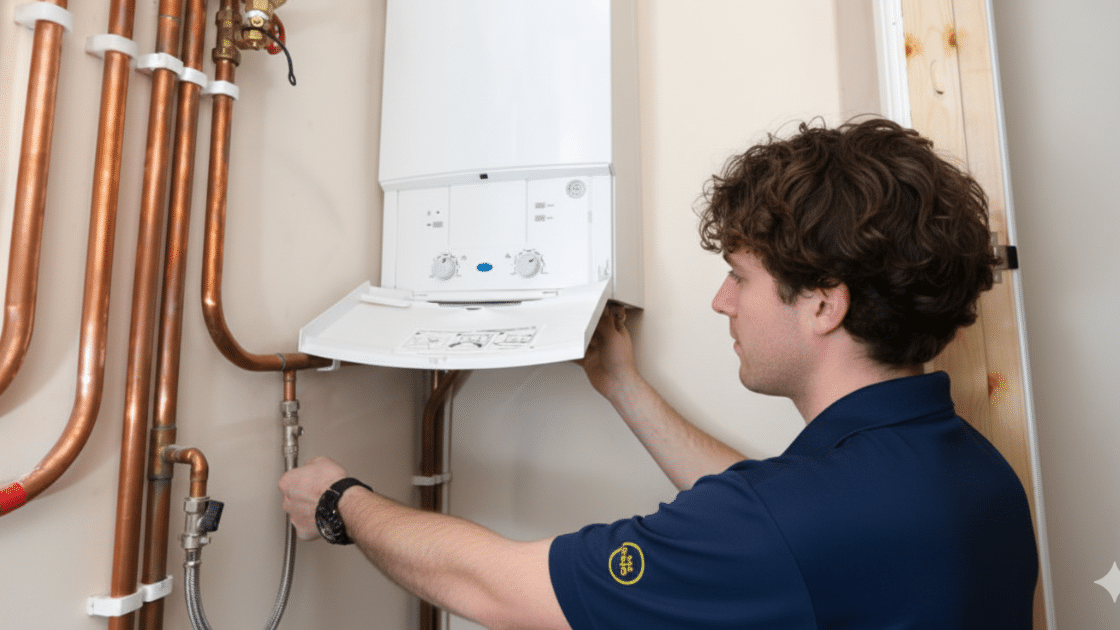
Discovering water dripping from your boiler is never a pleasant surprise. Whether it's a small puddle forming beneath the unit or visible drips running down the wall, a leaking boiler demands your attention sooner rather than later.
In this guide, I'll walk you through the most common reasons why boilers leak water, help you identify where the problem might be coming from, and explain when it's safe to troubleshoot yourself versus when you need to call in a professional.
Boiler leaks are surprisingly common across Scottish homes, from Victorian tenements in Edinburgh to modern builds in Glasgow. Our changeable weather, particularly those freeze-thaw cycles during winter, puts considerable strain on heating systems. The good news is that most boiler leaks are repairable when caught early, though ignoring them can lead to serious consequences.
According to the Association of British Insurers, escape of water is one of the most common types of domestic property damage claims, with UK insurers paying out around £1.8 million every day for water damage. The average insurance claim sits around £2,638, but weather-related burst pipe claims can exceed £17,000. Understanding why your boiler is leaking and acting quickly can save you from becoming part of these statistics.
🚨 Boiler Leaking Right Now? Do This First:
1. Turn off your boiler at the electrical supply (not just the thermostat)
2. Place a bucket or towels under the leak to catch water
3. Do NOT remove the boiler casing—leave that to professionals
4. If you smell gas or see black marks, call the Gas Emergency line: 0800 111 999
Common Causes of Boiler Water Leaks
Boilers can leak for several reasons, most stemming from pressure imbalances, ageing components, or general wear and tear. Identifying where the water is coming from is your first step toward understanding the problem. Here are the most common culprits I encounter when attending call-outs across Scotland.
Faulty Pressure Relief Valve
The pressure relief valve (PRV) is a safety feature designed to release water when your system's pressure climbs too high, typically above 3 bar. If you notice water dripping from a small pipe that runs through your external wall near the boiler, this is often the PRV doing its job.
However, if water is constantly leaking from the PRV, it usually indicates one of two problems: either your system pressure is genuinely too high, or the valve itself has developed a fault and needs replacing. A healthy boiler should maintain pressure between 1 and 1.5 bar when the heating is off, rising slightly when the system heats up but staying within the green zone on your pressure gauge.
Why Is My Boiler Leaking Water From the Overflow Pipe?
The overflow pipe (also called the discharge pipe) runs from your PRV to outside your property. If you see water dripping or streaming from this pipe, it's your boiler's way of relieving excess pressure. Common causes include a faulty expansion vessel, a stuck filling loop valve, or the PRV itself needing replacement. While a small drip occasionally isn't unusual, continuous discharge needs investigating by a Gas Safe engineer.
Worn Seals and Gaskets
Every connection point in your boiler relies on seals and gaskets to keep water contained. Over time, these rubber and fibre components degrade through constant heating and cooling cycles. When they fail, water finds its way out through pump connections, heat exchanger joints, and pipe fittings.
This is particularly common in boilers over ten years old, where seals have hardened and lost their flexibility. The good news is that replacing seals is usually straightforward for a qualified engineer and considerably cheaper than replacing the entire boiler.
Corroded Pipes and Components
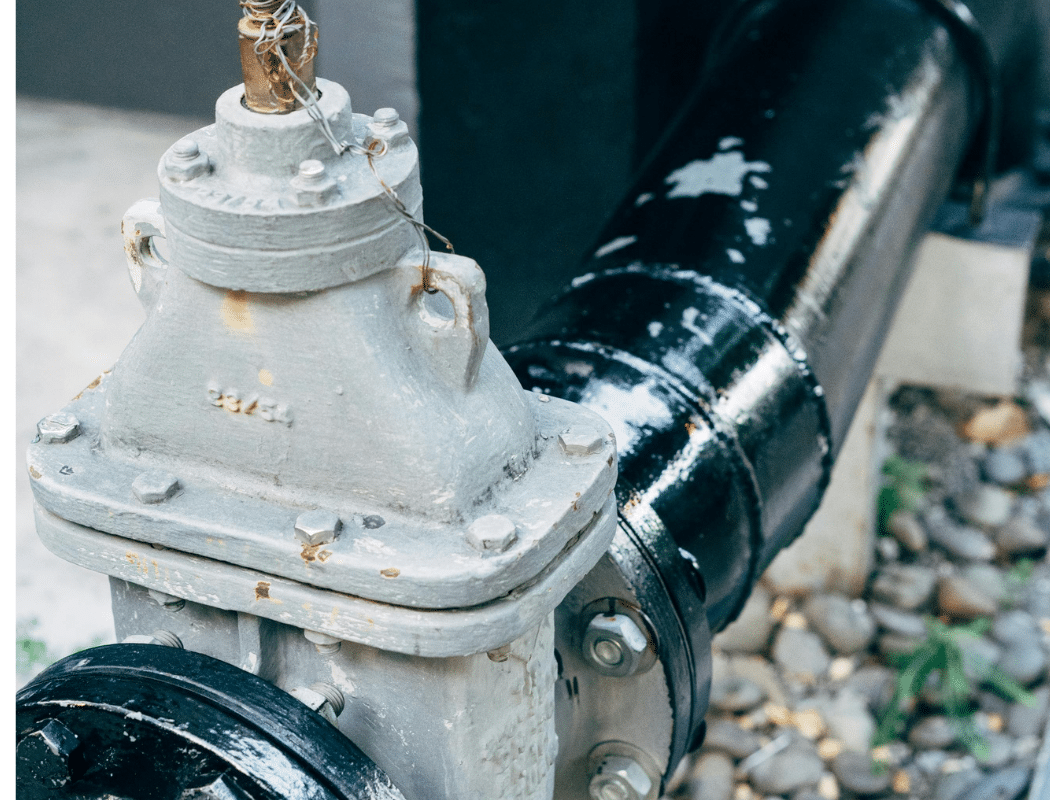
Corrosion is the silent enemy of heating systems. Oxygen in the water reacts with metal components over time, creating rust that weakens pipe walls until pinhole leaks develop. If you're seeing rusty water or noticing brown staining around your boiler, corrosion is likely at play.
Scottish properties with older heating systems are particularly susceptible, especially where the system hasn't been properly inhibited with corrosion-resistant chemicals. In coastal areas, salt air can accelerate this process significantly. If the corrosion is limited to one or two components, replacement is usually straightforward. However, widespread corrosion throughout the system may mean it's time to consider a new boiler.
Heat Exchanger Damage
The heat exchanger is the heart of your boiler, transferring heat from burning gas to the water circulating through your system. When this component cracks or develops holes, water escapes internally and often appears as dripping from the bottom of the boiler.
Heat exchanger failures are more serious and expensive to repair. In older boilers, replacement may not be cost-effective, making a new boiler the more sensible option. This is why regular servicing matters—a qualified engineer can spot early signs of heat exchanger deterioration before it becomes a full-blown leak.
Why Is My Boiler Leaking Water From the Bottom?
Water pooling beneath your boiler typically points to internal component failure—most commonly a cracked heat exchanger, failed pump seals, or a leaking auto air vent. Corrosion inside older boilers can also cause pinhole leaks that drip downward and collect at the base. If you're seeing water underneath your boiler, switch it off immediately and call a Gas Safe engineer. Don't ignore it—water dripping onto the PCB (printed circuit board) can cause expensive electrical damage.
Faulty Expansion Vessel
Your boiler's expansion vessel absorbs the pressure changes that occur as water heats up and expands. Think of it as a shock absorber for your heating system. When the vessel fails or loses its air charge, it can no longer perform this function properly, causing pressure to rise and the PRV to release water.
A faulty expansion vessel often manifests as pressure that constantly fluctuates, rising too high when the heating is on and triggering the safety valve. This is a common issue in combi boilers and usually requires a Gas Safe registered engineer to repressurise or replace the vessel.
Blocked or Frozen Condensate Pipe
Modern condensing boilers produce acidic condensate as a by-product of their efficient operation. This exits through a plastic pipe, usually running to an external drain. During Scottish winters, this pipe can freeze, blocking the flow and causing water to back up into the boiler.
If your boiler has stopped working during cold weather and you notice ice around the condensate pipe outside, this is likely your culprit. Gently thawing the pipe with warm (not boiling) water or a hot water bottle usually resolves the issue, though persistent problems may require the pipe to be rerouted or insulated.
Loose Pipe Connections
Boilers constantly expand and contract as they heat and cool. Over time, this thermal movement can loosen pipe joints and fittings, creating small leaks that gradually worsen. Newly installed boilers may also develop leaks if connections weren't properly tightened during installation.
These leaks typically appear around visible pipework entering or leaving the boiler. While sometimes a simple tightening resolves the issue, corroded or damaged fittings may need replacement.
Boiler Pressure Keeps Dropping?
If your boiler's losing pressure but you can't see a leak, the problem might be hidden in your central heating system. Our specialist central heating leak detection service finds hidden leaks without damaging your property.
Signs Your Boiler Is Leaking Water
Not all boiler leaks announce themselves with obvious puddles. Sometimes the signs are subtle, and catching them early can make the difference between a minor repair and major damage. Here's what to watch for:
Water Pooling Around Boiler
The most obvious sign. Check beneath your boiler regularly, particularly if it's in a cupboard where puddles might go unnoticed.
Dropping System Pressure
If you're constantly topping up your boiler pressure, water is escaping somewhere in your heating system.
Hissing or Dripping Sounds
Unusual noises, particularly when the heating is running, can indicate water escaping under pressure.
Staining or Damp Patches
Discolouration on walls or ceilings near the boiler, or rust stains, often indicate a leak that's been present for some time.
Reduced Heating Efficiency
If radiators aren't heating properly or your hot water is inconsistent, water loss could be affecting system performance.
Visible Rust or Corrosion
Any rust on the boiler casing, pipework, or fittings warrants investigation, as it often precedes leaks.
"In my experience, most homeowners first notice a boiler leak when their pressure keeps dropping. They top it up, it drops again, and they assume it's normal. It's not. A sealed heating system shouldn't need regular topping up. If yours does, you've got a leak somewhere that needs finding."— Derek Graham, Lead Engineer, Scotland Leak Detection
How to Check and Diagnose a Boiler Leak
Before calling an engineer, there are some safe checks you can perform yourself. However, I must stress that anything beyond these basic observations should be left to qualified professionals. Gas boilers combine water, electricity, and gas—a combination that requires proper training to handle safely.
Turn Off the Boiler and Isolate the Water Supply
Safety first. Switch off your boiler at the electrical supply, not just the thermostat, and turn off the isolation valve on your water supply if you can locate it. This prevents further water loss and removes any risk of electrical contact with water.
Check Visible Pipes, Joints, and Valves
Look around the boiler for any obvious signs of water. Use a dry cloth to wipe pipes and connections, then watch to see if moisture reappears. Common leak points include the filling loop, pressure relief valve outlet, and pipe joints entering the boiler.
Inspect the Pressure Relief Valve
Locate the copper pipe running from your boiler through an external wall. Check outside for dripping or staining around where this pipe exits. If water is constantly discharging here, your pressure may be too high or the valve may be faulty.
Check Your Pressure Gauge
The pressure gauge on your boiler should read between 1 and 1.5 bar when the heating is off. If it's in the red zone (typically above 2.5 bar), high pressure may be causing your PRV to release water. If it's very low, you're losing water somewhere in the system.
Ensure the Filling Loop Is Closed
The filling loop is used to add water to your system. It's usually a braided hose with valves at each end, or two built-in valves. If left slightly open, it continuously adds water, causing pressure to rise. Ensure both valves are fully closed.
⚠️ Important Safety Warning
Never attempt to remove the boiler casing or access internal components yourself. In the UK, any work on gas appliances must be carried out by a Gas Safe registered engineer. Attempting DIY repairs is not only dangerous but illegal.
If your basic checks don't reveal an obvious cause, or if you can smell gas, see black marks around the boiler, or notice a yellow or orange pilot flame, turn off the gas supply immediately and call the National Gas Emergency Service on 0800 111 999.
Risks of Ignoring a Boiler Leak
It's tempting to put a towel down and hope a small leak sorts itself out. It won't. Water leaks only worsen over time, and what starts as a minor drip can escalate into serious problems. Weather-related burst pipe claims in the UK averaged over £17,000 in 2023—and Scottish winters, with our freeze-thaw cycles and prolonged cold snaps, make our properties particularly vulnerable.
Here's what you risk by delaying repairs:
Property Damage
Water damages everything it touches—flooring, plasterwork, electrical systems, and furniture can all suffer. In Scottish tenements and flats, a boiler leak can also affect the property below you, making you liable for their damage too.
Electrical Hazards
Water reaching your boiler's electrical components, particularly the printed circuit board (PCB), can cause short circuits. This not only creates a fire risk but can turn a £250 repair into a £2,000+ boiler replacement.
Mould and Damp
Persistent moisture creates ideal conditions for mould growth, which poses health risks, particularly for those with respiratory conditions. Mould remediation is expensive and disruptive.
Increased Energy Bills
A leaking boiler works harder to maintain temperature, using more gas in the process. Meanwhile, water loss means your system operates less efficiently.
Complete Boiler Failure
Left unchecked, leaks accelerate corrosion throughout your heating system. Components fail, efficiency plummets, and eventually the boiler gives up entirely—often at the worst possible time.
Carbon Monoxide Risk
In severe cases, water damage can affect the flue or combustion chamber, disrupting safe ventilation. This creates a risk of carbon monoxide—an odourless, colourless gas that can be fatal.
When to Call a Professional
While basic pressure checks and visual inspections are fine to do yourself, any actual repair work must be handled by qualified professionals. Here's when you should pick up the phone:
Call a Gas Safe registered engineer if: the leak is coming from inside the boiler, you can smell gas, you see black marks or staining around the boiler, the pilot light is yellow or orange instead of blue, you've completed basic checks and can't identify the source, or if the leak is from a gas appliance component.
Contact a leak detection specialist if: your boiler pressure keeps dropping but you can't see a leak anywhere, there are damp patches on walls or ceilings away from the boiler, you suspect a leak in your underfloor heating system, or if you need to locate a hidden leak for insurance purposes.
"The leak isn't always where you think it is. I regularly attend properties where homeowners have been topping up their boiler for months, convinced the boiler itself is faulty. When we scan the system with thermal imaging, we find the actual leak is in pipework buried under the floor or concealed in a wall cavity—sometimes in a completely different room."— Derek Graham, Lead Engineer, Scotland Leak Detection
Our thermal imaging leak detection service uses advanced infrared cameras to reveal temperature variations caused by escaping water. This allows us to locate leaks hidden behind walls and under floors without any destructive investigation, saving you money on unnecessary repair work and keeping your home intact.
Related Leak Detection Services
Need Help Finding a Hidden Leak?
Our non-invasive detection technology locates leaks in central heating systems, underfloor heating, and concealed pipework without damaging your property.
Frequently Asked Questions
A leaking boiler can be dangerous if left untreated. While water leaks themselves aren't immediately life-threatening, they can cause electrical short circuits if water reaches live components, property damage including structural issues and mould growth, and in severe cases can affect the flue or combustion chamber, creating carbon monoxide risks. The key is acting quickly—turn off your boiler, isolate the water supply, and contact a Gas Safe registered engineer promptly. Don't attempt to use a leaking boiler until it's been professionally inspected and repaired.
No, you should not use your boiler while it's leaking. Water and electricity are a dangerous combination. If water reaches the printed circuit board or other electrical components during operation, it can cause short circuits, permanent damage, and even fire risk. Turn off your boiler at the electrical supply (not just the thermostat), contain the leak with towels or a bucket, and contact a qualified engineer. The only exception might be minor condensate discharge during freezing weather, but even then, it's best to get a professional opinion.
Combi boilers can leak for several reasons. The most common causes include high system pressure releasing through the pressure relief valve, worn pump seals (particularly in boilers over 10 years old), corroded pipes or heat exchanger components, a faulty or discharged expansion vessel, loose pipe connections from thermal expansion and contraction, and frozen or blocked condensate pipes during winter. The location of the leak often indicates the cause, which is why it's important to note where water is appearing before calling an engineer.
Only very basic checks should be done yourself. You can check your pressure gauge, ensure the filling loop valves are closed, and look for obvious external leaks around visible pipework. However, any work inside the boiler or involving gas components must legally be carried out by a Gas Safe registered engineer. Attempting DIY repairs on gas appliances is not only dangerous but illegal in the UK. The risks of electrocution, gas leaks, and carbon monoxide exposure are simply too high.
Small boiler leaks can go unnoticed for weeks or even months, especially if they're internal or hidden behind the boiler casing. Signs to watch for include gradually dropping pressure that requires regular topping up, unexplained damp patches near the boiler or on walls and ceilings, increased water bills, musty smells or visible mould growth, and rust staining on or around the boiler. Regular annual servicing by a qualified engineer helps catch small leaks before they become major problems.
Contact a Gas Safe registered engineer immediately if you notice water pooling around your boiler, the pressure keeps dropping despite topping up, there's visible corrosion or rust, you hear strange noises or detect unusual smells, or if you've completed basic checks and the leak persists. For central heating system leaks where the boiler itself isn't the source, a specialist tracer gas leak detection engineer can locate hidden leaks in pipework, underfloor heating, and concealed spaces without damaging your property.
📍 Professional Leak Detection Across Scotland
Don't Let a Small Leak Become a Big Problem
Whether you need a Gas Safe engineer for your boiler or specialist leak detection for your heating system, getting professional help early saves money and protects your property.