

A toilet leaking at the base is almost always the wax or foam pan seal failing, or the pan connector working loose, letting water escape each flush. Less often, a hairline crack in the pan itself or a joint on the waste pipe is to blame. Tighten the fixing bolts first; if water still appears, the seal needs replacing or the pan needs lifting to check underneath.
In This Guide
Where the water is actually coming from
When a toilet is leaking at the base, the water can come from three different places, and each one points to a different fix. It might be the seal between the pan and the soil pipe underneath, the connector joining the pan to the waste, or the pan itself if it has a hairline crack. Working out which one takes a few minutes of careful looking, not guesswork.
Start by drying the floor completely around the base of the toilet with an old towel. Flush once, then watch closely. Water that appears right at the base within seconds of the flush usually means the seal or connector. Water that seeps out slowly over the following minutes, especially after the cistern has refilled, often points to a crack that only shows itself under pressure.
Check the cistern too. A wet patch spreading from one side rather than all the way round the base can mean a cracked cistern-to-pan gasket rather than the floor seal, which changes the repair entirely.
The pan seal: the usual culprit
Most base leaks trace back to the seal, whether that is an older wax ring or the compressible foam and rubber seals fitted on newer toilets. This seal sits between the underside of the pan outlet and the top of the waste pipe, and its whole job is to stop water escaping as it passes through that joint on its way to the drain.
Seals fail for a few common reasons: they dry out and lose compression over years of use, they get disturbed if the toilet has ever rocked on an uneven floor, or they were never seated properly at installation, which shows up as a leak within weeks rather than years.
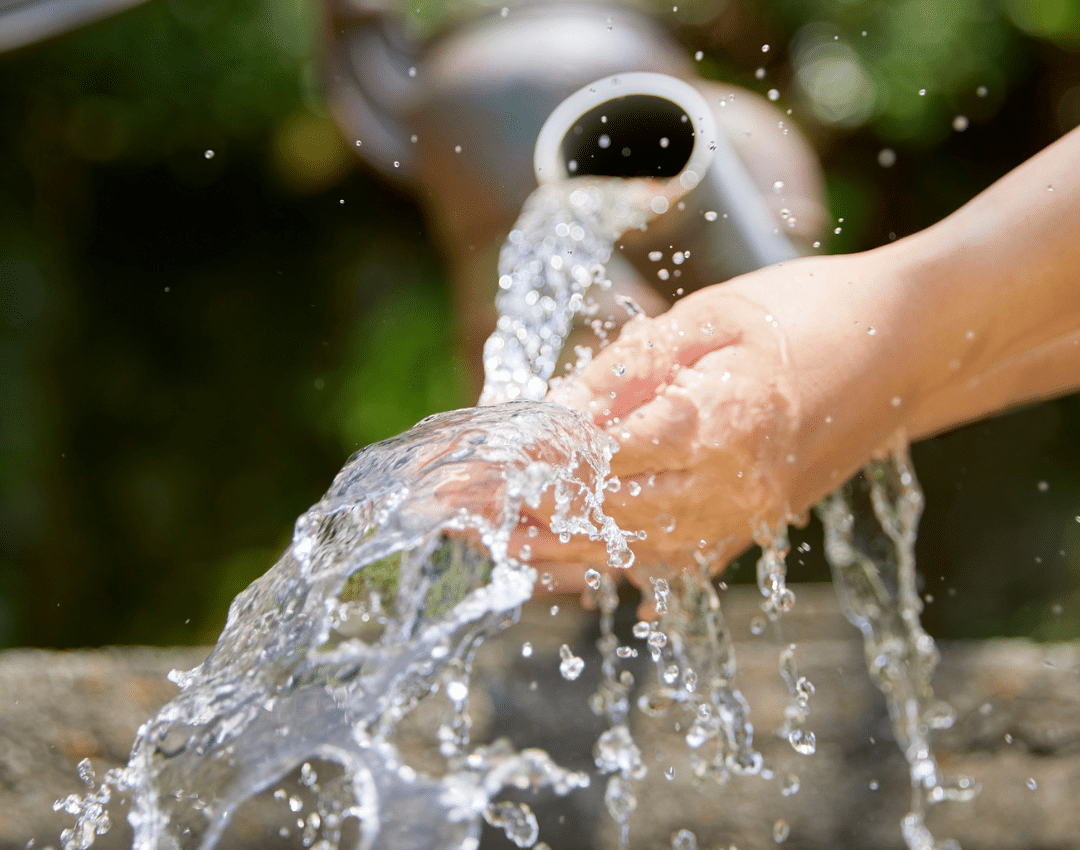
What a failed seal looks like in use
Water tracks down the outside of the waste pipe and pools at the base, usually worst straight after a flush when the volume passing through is highest. Between flushes it can look dry, which is why a lot of these leaks go unnoticed for weeks until the floor underneath starts to soften.
Step 1: Confirm the toilet is stable
Gently rock the pan side to side. Any movement at all means the fixing bolts need attention before you touch the seal, because a rocking pan will break a new seal just as quickly as the old one.
Step 2: Turn off the water and empty the cistern
Shut the isolation valve behind the toilet, flush to empty the cistern, then hold the flush lever down to clear as much water from the pan as you can.
Step 3: Lift the pan and inspect the seal
Undo the fixing bolts, lift the pan clear, and look at the old seal. If it is flattened, cracked, or has come away from the pipe on one side, that is your answer. Fit a new seal, reseat the pan square, and tighten the bolts evenly.
Loose pan connectors and fixing bolts
On toilets fitted with a plastic pan connector rather than a wax seal, the joint relies on rubber push-fit collars at each end. These can work loose if the pan was ever moved, or if the floor has flexed slightly over time, which is common in older Scottish tenement flats with timber joists rather than solid concrete floors.
Fixing bolts matter more than people expect. If they are loose, the pan can rock by a millimetre or two with every use. That tiny movement is enough to break the seal at the base over months, even if the seal itself was fitted correctly. Tightening the bolts evenly, a little at a time on each side, is often the fix on its own.
Do not overtighten. Ceramic pans crack under excess force at the fixing points, which turns a simple loose-bolt job into a full pan replacement.
Cracked pans and hairline damage
A cracked pan is the least common cause, but it is the one people miss most often because a hairline crack near the base can be almost invisible when dry. It only weeps water under the pressure of a flush, then dries between uses, so the pattern looks identical to a seal problem at first glance.
The clue is timing and shape. A seal leak tends to show as a ring or arc around the base, following the shape of the pipe joint underneath. A cracked pan leak often shows as a single trickle from one specific point, sometimes running down the outside of the porcelain rather than welling up from underneath. If you dry the area and the same single trickle reappears from the same spot every time, suspect the pan itself.
There is no repair for a cracked ceramic pan. It needs replacing.
If the toilet is a wall-hung unit or sits on an upper floor above a room you use daily, do not wait to test this. Water finding its way through a floor void near a tenement close’s common pipes or joists can travel a surprising distance before it shows on the ceiling below, and by then the damage is bigger than the original leak.
Clean water or foul water: why it matters
Not every drip at the base is the same kind of water, and that changes how urgently you should act. Water leaking from the cistern supply, the fill valve, or condensation in a cold bathroom is clean mains water. Water leaking from the pan-to-waste joint has been through the pan, so treat it as contaminated even if it looks clear.
Clean-water leaks are unpleasant but low-risk if mopped up promptly. Foul-water leaks should be cleaned with disposable materials and the area disinfected afterwards, even if small. A lifted floor covering or a soft subfloor suggests the leak has been running for a while, so treat that as foul contamination regardless.
| Symptom | Likely source | Water type |
|---|---|---|
| Water appears only during flush, dries between uses | Pan seal or connector | Foul |
| Constant trickle regardless of flushing | Cracked pan or cistern gasket | Foul or clean |
| Wet patch spreads from cistern base, not pan base | Cistern gasket or fill valve | Clean |
| Damp smell with no visible water | Slow seal seep under flooring | Foul |
Not sure where the water is really coming from?
If you have dried the floor, checked the bolts and the leak still comes back, the water may be tracking from further away than the toilet base itself. Our non-invasive surveys find the exact source without lifting tiles or floorboards to look.
When the floor is already soaked
If you have caught the leak early, a seal or bolt fix is usually a same-afternoon job. If the leak has been running unnoticed for weeks, the picture changes. Water sitting under vinyl flooring, laminate or a chipboard subfloor spreads sideways under gravity and capillary action, often well beyond the footprint of the toilet itself.
This matters most in flats and tenements, where a soaked bathroom floor can sit directly above a neighbour’s ceiling. We see this most weeks: someone lifts the toilet, fixes an obviously failed seal, and assumes the job is done, only for a damp patch to appear on the ceiling below a few days later because water had already tracked sideways along a joist first.
In that situation, fixing the seal stops new water getting in but does not tell you how far the existing water has already spread. That is where plumbing leak detection earns its keep: thermal imaging and moisture readings can trace the actual extent of the wet area under flooring and through a floor void, rather than relying on where the stain happens to show through.
Fixing it yourself vs calling someone in
Replacing a pan seal is within reach for most people who are comfortable with basic tools. Tightening fixing bolts is even simpler. Where it gets harder is when you have done both and the leak keeps coming back, or when you cannot tell whether the water is fresh or old residue drying out slowly from underneath.
DIY is reasonable when
- The toilet rocks and bolts are visibly loose
- Water appears only during flushing, right at the joint
- You can lift the pan and see the old seal clearly
Call a professional when
- A new seal has been fitted and the leak returns
- Water has already reached flooring or a ceiling below
- You cannot confirm the leak is from the toilet and not a nearby pipe
A plumber can replace a seal or a pan. What a plumber cannot always do without opening up flooring is confirm exactly how far water has spread once it is under the surface. That is a job for moisture mapping and thermal imaging rather than trial and error with a screwdriver.
- Dry and test first. Never replace a seal blind, confirm the source before you buy parts.
- Check the bolts before the seal. A rocking pan will fail a brand-new seal too.
- Treat all pan-base water as foul. Clean up with disposable materials and disinfect.
- Watch the timeline. A leak that returns after a proper seal replacement means the water is coming from somewhere else.
If a repair has already been done, it is worth reading about why a stain can come back after a repair before assuming the new work has failed, since a returning stain does not always mean the fix was wrong.
Frequently Asked Questions
This pattern points to the pan seal or connector rather than a crack. The seal only comes under pressure while water is actively passing through it during a flush, so it leaks briefly then appears dry again until the next use.
Yes, if you are comfortable turning off the isolation valve, lifting the pan and reseating it square. Tighten fixing bolts evenly and do not overtighten, since ceramic pans can crack under excess force at the bolt points.
Water that has passed through the pan is contaminated, even if it looks clean. Clean it up with disposable cloths or paper towels, disinfect the area afterwards, and avoid barefoot contact until the floor is dry and treated.
A returning leak after a proper seal replacement usually means the water is not from the toilet at all. It could be tracking from a nearby pipe, a cracked pan, or water already sitting under the flooring. A non-invasive survey can confirm the real source.
A cracked pan usually leaks from one specific point every time, rather than as a ring around the base. Dry the area fully, flush, and watch closely. A single repeating trickle from the same spot suggests the pan itself, which needs replacing rather than resealing.
Yes. A rocking pan flexes the seal with every use, breaking the seal down over weeks even if it was fitted correctly. Always check and tighten the fixing bolts before or alongside replacing the seal, not after.
Yes, water can spread sideways under vinyl, laminate or a subfloor before it ever shows as a visible stain. If a toilet has been leaking for an unknown length of time, a moisture check under the flooring is worth doing even without a visible mark.
📍 Professional Leak Detection Across Scotland
Get a clear answer instead of a guess
Don’t let a small problem become a big one. We use non-invasive thermal imaging and moisture detection to confirm exactly where water is coming from and how far it has spread, with insurance-approved reports if you need to make a claim.