

To report a leak to Scottish Water, call the free 24/7 leak line on 0800 077 8778, or report it online. Scottish Water fixes mains pipes up to your property boundary. Once a leak is inside your boundary, on your side of the stopcock, it is your responsibility to arrange the repair, though it is still worth reporting so they can check the wider network.
In This Guide
- How to report a leak to Scottish Water
- What Scottish Water does after you report it
- Mains leak or your pipe? The boundary rule
- Shared pipes in tenements and flats
- What happens if you ignore a leak on your side
- Escalating a complaint to the Ombudsman
- When to bring in a leak detection specialist
- Frequently Asked Questions
How to report a leak to Scottish Water
If you spot water bubbling up from a road, pavement, or field, or running down a street with no obvious cause, the fastest route is the phone. Scottish Water runs a freephone leak line, 0800 077 8778, staffed around the clock, every day of the year. You can also report a leak scottish water issue through their online form if it is not an emergency and you would rather not wait on hold.
Have the location ready before you call: a postcode, a nearby house number, or a description like "outside the school gates on the main road" helps their team send someone to the right spot. If the leak is causing flooding, blocking a road, or near overhead cables, say so straight away, since that changes how quickly they respond.
Step 1: Note the exact location
Postcode, street name, or a landmark. If it is on your own property, mention that too.
Step 2: Call 0800 077 8778 or report online
The phone line is free and answered 24/7. Give the location, how much water is escaping, and whether it is on a public road or private ground.
Step 3: Ask for a reference number
Keep this. It lets you follow up if nobody has attended after a reasonable time, and it is useful if the case ends up disputed later.
Checking your own supply first
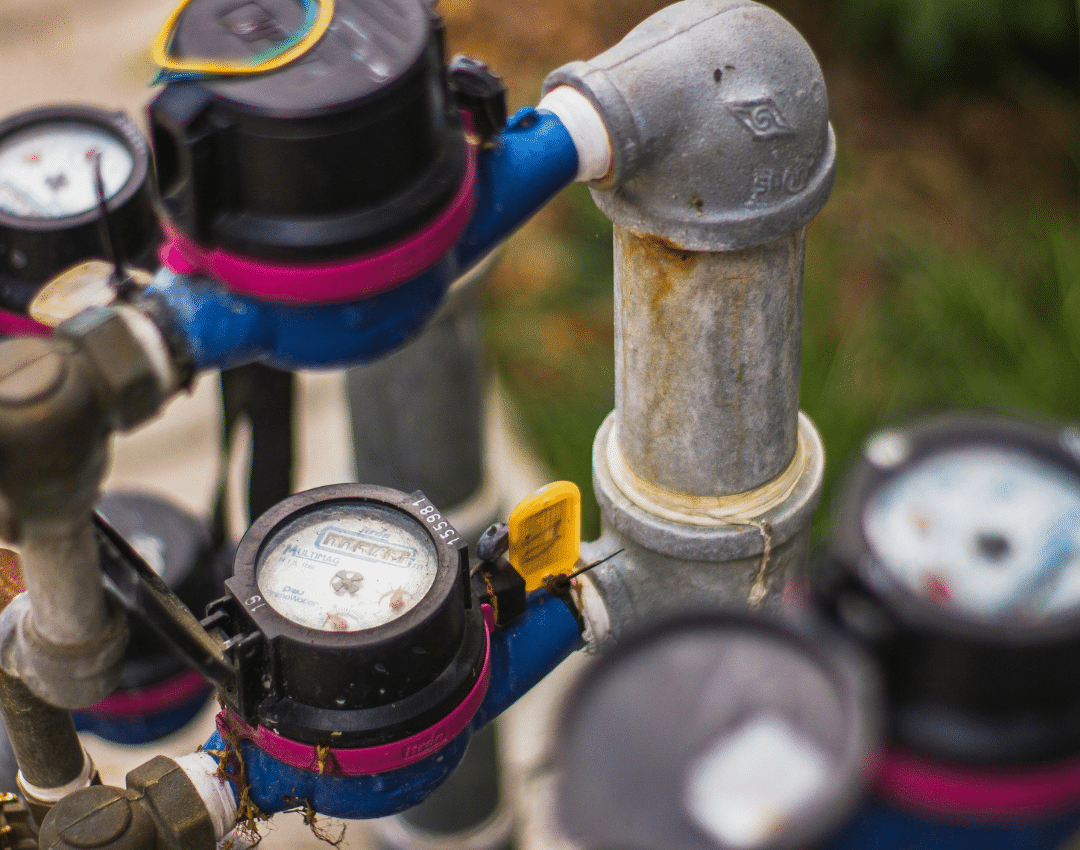
Before you call, it helps to rule out your own pipework. Most Scottish homes are not metered, since water and sewerage charges are collected through the council tax bill rather than by usage, per mygov.scot. That means a domestic leak will not push your bill up the way it might south of the border. But it is still worth checking your stopcock and any accessible pipework for obvious drips before assuming the fault sits with Scottish Water.
What Scottish Water does after you report it
Once you report a leak scottish water teams triage it. Visible mains bursts, especially anything flooding a road or affecting supply to multiple houses, tend to get prioritised. A smaller seep from a joint might sit in a queue for a routine repair crew, particularly in winter when burst-pipe call-outs spike across the network.
An inspector may attend first to confirm where the leak actually is before any digging starts. This matters because water can travel a long way underground before it surfaces, so the wet patch on the pavement is not always directly above the fault. If the inspection shows the leak is on the customer's side of the boundary, Scottish Water will tell you that and the job passes back to you to arrange privately.
Mains leak or your pipe? The boundary rule
The rule is straightforward in principle. Scottish Water is responsible for the mains pipe up to your property boundary; you are responsible for everything from the boundary, and the stopcock, into and through your home, according to Citizens Advice Scotland. In practice, working out exactly where that line falls can be less obvious, especially on older properties where the original pipe layout was never well documented.
This is where a lot of homeowners get stuck. Scottish Water confirms it is not a mains issue, but nobody can say for certain whether the leak is in the ten metres of supply pipe under your garden or somewhere inside the house. That is usually the point to bring in a water leak detection service that can pinpoint the exact spot without lifting the whole driveway on a guess.
Scottish Water's responsibility
- Mains pipe up to the boundary
- Repairs to the public network
- Investigating reported leaks on public ground
Your responsibility
- Supply pipe from boundary to house
- All internal pipework and fittings
- Arranging and paying for the repair
Shared pipes in tenements and flats
Common in Scotland's tenement stock, a single supply pipe often feeds several flats before it splits. When that shared section leaks, responsibility is split between the owners who use it, according to Citizens Advice Scotland. Your title deeds usually set out how repair costs get divided; if the deeds are silent on it, the statutory Tenement Management Scheme fills the gap. We would always suggest checking the deeds first, since assumptions about "the factor deals with it" are not always correct.
Working out whether a leak is coming from your own sole-use pipe or a shared one is often the hardest part, and it is a common reason owners in a stair call us in rather than guessing. If you are dealing with a leak in a shared close, our guide on who is responsible for water pipes in Scotland goes into the tenement rules in more depth.
What happens if you ignore a leak on your side
If a leak on your property is wasting water and you do nothing about it, Scottish Water can send a warning letter. If it still is not fixed, they can apply to a Justice of the Peace for a warrant, force entry after 24 hours' notice, carry out the repair themselves, and then bill you for it, according to Citizens Advice Scotland. It rarely gets that far, but it shows they do not simply let a known leak run indefinitely.
Honestly, most of the time it never reaches a warning letter. Homeowners fix things once they know where the problem is. The stress usually comes from not knowing, not from being asked to pay for the repair itself.
Escalating a complaint to the Ombudsman
If you have reported a leak, followed it up, and still feel Scottish Water has not handled your complaint properly, you can take it to the Scottish Public Services Ombudsman once you have exhausted Scottish Water's own complaints process. Keep your reference number and dates of every call, since the Ombudsman will want a timeline of what you reported and when.
Not sure whose pipe is leaking?
If Scottish Water has ruled out the mains and the leak is somewhere on your property, we can pinpoint it without digging up the garden on a guess.
When to bring in a leak detection specialist
Once the boundary question is settled and the fault sits on your side, the next problem is finding it without wrecking the garden or the kitchen floor. We use acoustic listening equipment, thermal imaging, and tracer gas to trace the exact point of loss before anyone lifts a slab. It is quicker than trial-and-error digging, and it means any repair work targets the actual fault rather than a rough guess at where the pipe runs.

Listening for the leak before digging
Acoustic equipment picks up the sound of water escaping under pressure through soil and concrete. Moving the listening point along the suspected pipe run narrows the search to a small area, which is far less disruptive than opening a trench along its full length.
This applies just as much to leaks running underground between the boundary and the house as it does to indoor pipework. Our water mains leak detection service covers exactly this stretch of pipe, which is often the trickiest part of a property to inspect because nobody has X-ray vision through a garden path.
Frequently Asked Questions
Call 0800 077 8778, Scottish Water's free 24/7 leak line. It is staffed around the clock, so you can report a burst or a running leak any time, day or night, without waiting for office hours.
No. Scottish Water is only responsible for the mains pipe up to your property boundary, according to Citizens Advice Scotland. Anything from the boundary or stopcock into your home, including internal pipework, is your responsibility to arrange and pay for.
Most Scottish households pay water charges through council tax rather than a meter, per mygov.scot, so a leak usually will not push your bill up directly. The real cost tends to be property damage and wasted heat rather than a higher water charge.
Scottish Water can send a warning letter first. If nothing changes, they can get a warrant, force entry after 24 hours, repair the leak themselves, and bill you for the work, according to Citizens Advice Scotland.
Owners who use the shared pipe split the cost, according to Citizens Advice Scotland. Your title deeds normally set out the split; where they are silent, the statutory Tenement Management Scheme applies instead.
Go through Scottish Water's own complaints process first. If you are still unhappy once that is exhausted, you can escalate to the Scottish Public Services Ombudsman, so keep your reference numbers and a timeline of contact.
A specialist can trace it with acoustic listening, thermal imaging, or tracer gas, pinpointing the fault before anyone digs. This avoids opening up a garden or floor on a guess and targets the repair at the actual leak.
📍 Professional Leak Detection Across Scotland
Don't let a small problem become a big one
If you have a leak that will not go away, we find the exact source with non-invasive methods and give you an insurance-approved report, usually the same day.