

A landlord winter checklist for Scotland covers three things: insulating and heating the property before the cold arrives, protecting any void or empty periods with regular checks or the water drained down, and making sure tenants know how to report a leak fast. Landlords are legally responsible for repairing leaks from pipes and fixtures in the home.
In This Guide
Why winter is the risk period
A landlord winter checklist matters more in Scotland than almost anywhere else in the UK, because cold snaps arrive fast and older housing stock, tenements, stone-built properties, draughty Victorian conversions, doesn't forgive neglected pipework. Scottish Water recorded around 3,100 pipe bursts across Scotland in winter 2023/24, and more than 30% of them happened on customer properties rather than the mains network.
For a landlord, a burst pipe in a rented property is worse than in an owner-occupied home. There's often nobody there daily to notice it early, the tenant may not know where the stopcock is, and the damage bill lands on you either way. Insurer NFU Mutual puts the average burst-pipe home insurance claim at around £10,000, which is a big number to be facing over something that pipe lagging and a sensible heating routine can largely prevent.
Before the cold arrives
Most of what protects a rental property against winter bursts takes an afternoon, not a major project. Scottish Water's own advice is simple: heat, insulate and protect.
- Lag exposed pipes in lofts, garages, and any unheated space where pipework runs. This is the cheapest, most effective single step you can take.
- Check the boiler and heating system before winter, including confirming the pressure holds steady and any frost protection setting actually works.
- Insulate water tanks in the loft, and check the loft hatch isn't letting cold air pool around the tank.
- Bleed radiators and confirm the whole system heats evenly, since a cold spot can mean trapped air or, less often, a developing leak.
- Know where every stopcock is, both the property's own and, in a tenement, the shared one, and make sure your tenant knows too.
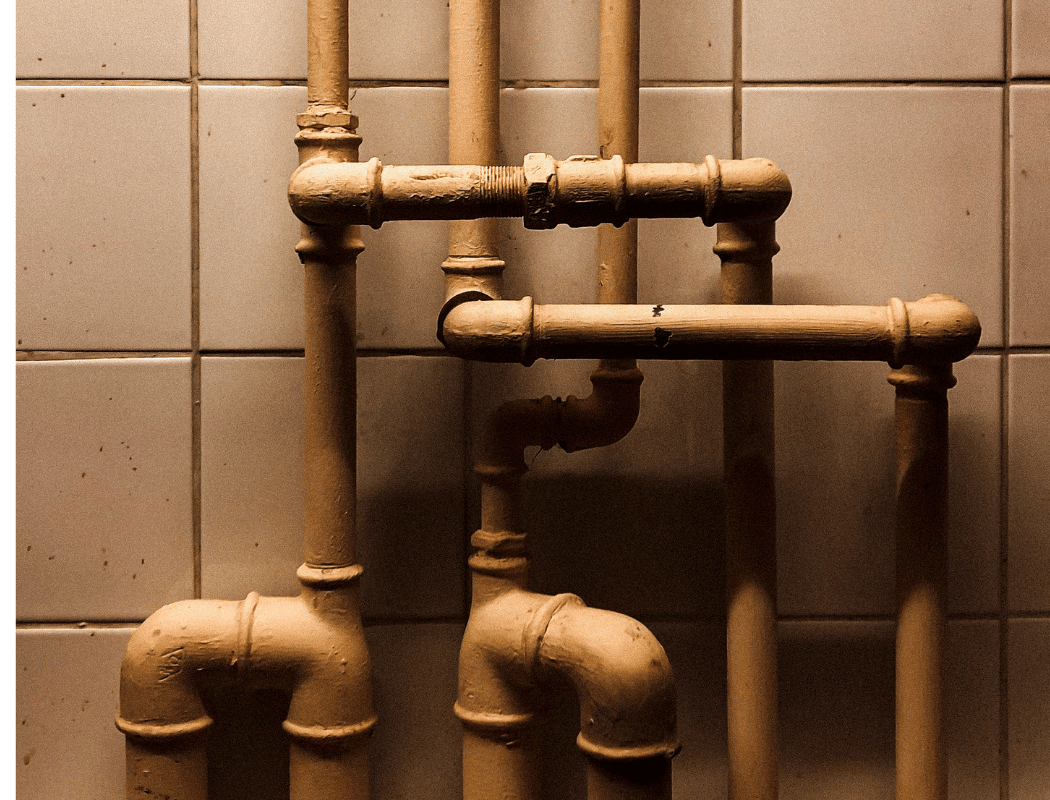
Older pipework needs more attention, not less
A lot of Scotland's rental stock is older than the national average, and older pipework, particularly anything run through an unheated loft or external wall, is exactly where winter bursts happen. If you haven't had the pipework checked in a few years, a pre-winter survey is far cheaper than an emergency repair in January.
Protecting void properties
Empty properties are the highest-risk category by far. With nobody living there, a small leak can run for weeks before anyone notices, and a full heating system left completely off gives cold snaps free rein on any exposed pipe.
Option 1: Keep the heating on low
Set the thermostat to a low background temperature rather than switching the system off entirely. This keeps the whole property above freezing without running full heating costs on an empty home.
Option 2: Drain the system down
If the property will sit empty for an extended period and won't be heated at all, draining the water system down removes the risk of a frozen pipe entirely. This needs doing properly, ideally by a professional, since a poorly drained system can trap water in low points.
Option 3: Arrange regular checks
Whichever option you choose, arrange for someone, a managing agent, a neighbour, or yourself, to physically check the property periodically through winter. A leak caught on day three is a repair. A leak caught on day thirty is a claim.
Between tenancies matters most. The gap between one tenant moving out and the next moving in is statistically the highest-risk window, because it's the period most likely to be forgotten in the handover rush.
Got a void property or a portfolio to check before winter?
Our water leak detection service can survey empty or tenanted properties before problems start, with same-day availability if something's already gone wrong.
Communicating with tenants
Most winter leak disasters in occupied properties come down to a tenant not knowing what to do, or not feeling able to act quickly. A short, clear reminder before winter closes that gap.
Tell tenants where the stopcock is and how to use it. Explain that reporting a drip or a damp patch immediately is better for everyone than waiting to see if it gets worse. Make sure they have a working number for you or your agent, and that they understand reporting a leak promptly protects them too, since a slow response can affect liability for further damage under the Repairing Standard.
It doesn't need to be a formal letter. A text message before the first cold snap, reminding tenants to report drips early and keep heating ticking over if they're away, covers most of what matters.
Your legal responsibilities
According to Shelter Scotland, landlords are responsible for repairing leaks from pipes or fixtures in the home, and leaks coming in from outside. Tenants are expected to report leaks promptly, and can be held liable for further damage if they don't.
If your property is let through a council or housing association, leaking pipes, tanks or toilets qualify for repair within one working day under the Right to Repair scheme. In the private rented sector, your property needs to meet the Repairing Standard, which is enforceable through the First-tier Tribunal for Scotland if things go wrong.
This is worth building into your winter routine rather than treating as background legal detail. Our guide to pipe lagging covers the single cheapest preventative step, and pairs well with the frost protection settings covered in our guide on frost protection for Scottish homes.
If something does go wrong
Despite good preparation, leaks still happen. If a tenant reports a leak, or you find one on a void property check, the same principles apply as anywhere else: isolate the water if it's active, don't let the property sit damaged and unaddressed, and get the source properly identified before repairs start.
A non-invasive survey means you're not guessing where to open up a wall or lift a floor, which matters even more in a rental property where unnecessary disruption affects your tenant and your costs. It also gives you a written report for your insurer, which speeds up any claim considerably.
We see a clear pattern every January: the same handful of causes repeating across different properties, usually an unlagged pipe in a loft, a heating system left completely off, or a small drip that had been running since before the tenant even moved in. None of it is unusual or unlucky. It's just what happens when winter meets a property that wasn't quite ready for it, which is exactly why a pre-winter check is worth the small amount of time it takes.
Frequently Asked Questions
Yes. According to Shelter Scotland, landlords are responsible for repairing leaks from pipes or fixtures inside the property and leaks coming in from outside. Your tenant is expected to report the problem promptly so it can be dealt with.
No, not entirely. Leaving heating off completely in an unheated Scottish winter risks frozen and burst pipes. Either keep it running on a low background setting or have the water system properly drained down if the property will be empty for a long stretch.
Weekly checks are sensible during the coldest months, whether done by you, an agent, or a trusted neighbour. The point is catching a small leak early. The gap between tenancies is one of the highest-risk periods, precisely because nobody is checking daily.
It applies to council and housing association tenancies in Scotland, and requires certain repairs, including leaking pipes, tanks or toilets, to be fixed within one working day. Private landlords aren't covered by this scheme but must still meet the Repairing Standard.
Make sure they know where the stopcock is, understand that reporting drips or damp early is important, and have a working contact number for you or your agent. A short reminder before the first cold snap covers most of what matters.
Water damage is usually covered as standard in buildings insurance, and the Association of British Insurers notes that escape of water costs insurers around £1.8 million a day in payouts across the UK. Check your specific policy schedule for excess and cover limits.
📍 Professional Leak Detection Across Scotland
Don’t let a small problem become a big one
Protect your rental portfolio this winter with a proper survey, non-invasive methods and an insurance-ready report if the worst happens.