

Yes, in most cases. If nobody is checking the house while you are away, turn the water off at the stopcock before you leave. No water flowing means no supply-pipe leak can develop while the house sits empty. Leave the water on only if a house-sitter or neighbour needs it, and always check your insurance schedule for unoccupancy conditions first.
In This Guide
The case for turning it off
Every summer we get the same call in early September: a family comes home from two weeks away to a soaked hallway and a ceiling bulging with water. The question of whether to turn water off before holiday travel usually comes up too late, once the damage is already done.
The logic for shutting the stopcock is simple. A leak needs two things: a fault in the pipework, and water under pressure pushing through it. Take the pressure away and most leaks cannot happen at all. A washing machine hose that would have split on day three of your trip just sits there, dry and harmless, until you get home and turn the supply back on yourself.
This matters more in older Scottish homes than newer ones. Tenement flats and stone-built houses often carry original pipework, sometimes decades old, hidden behind plaster or under floorboards. A slow weep from a joint like that can run unseen for a fortnight and soak through more than one flat below. Turning the water off removes that risk completely for the time you are away.
The case for leaving it on
Shutting off the stopcock is not free of trade-offs. If a neighbour, house-sitter or family member is popping in to water plants or feed a cat, they will find no water at the taps, which is awkward if they also need the toilet to flush or want a cup of tea while they are there.
Heating is the other consideration. Most combi boilers do not need mains water to run their heating circuit day to day, since that side is a sealed system, but some boilers and pressurised systems draw on the cold mains for automatic top-up. If you are away in winter and rely on the heating ticking over to protect pipes from frost, check whether your boiler needs mains water available to keep working properly. In midsummer this is less of a worry, since frost protection is not the concern it would be in January.
Fish tanks, garden irrigation systems and outdoor taps on timers are the other exception. If anything in the house depends on a live water supply while you are away, that needs sorting out before you decide to isolate everything at the stopcock.
Reasons to turn it off
- No pressure means most leaks simply cannot start
- Removes the risk from ageing or hidden pipework
- One less thing to worry about while you relax
Reasons to leave it on
- A house-sitter or visitor may need running water
- Some heating and pressurised systems draw on the mains
- Fish tanks, timers or irrigation may depend on supply
How to turn your water off properly
Finding the stopcock is the part most homeowners struggle with, mainly because most people only look for it once, in an emergency, and never again. Do it now, while you are calm and have time.
Step 1: Find the stopcock
In most houses it sits under the kitchen sink. In tenement flats it can be in a hall cupboard, under the stairs, or just inside the front door. If you genuinely cannot find one, that is worth sorting before you next go away, not after.
Step 2: Turn it clockwise
Turn the handle or lever clockwise until it stops. If it has not been touched in years, ease it gently rather than forcing it, since an old stopcock can seize or snap under too much pressure.
Step 3: Open the taps to drain down
With the stopcock off, open the cold taps around the house briefly to relieve the pressure left in the pipes. This empties the supply pipework so there is nothing left to leak while you are gone.
Step 4: Leave one tap slightly open
Leave one cold tap cracked open a touch after draining down. This lets any residual water or air escape rather than building pressure against a closed system.
Step 5: Tell whoever is checking in
If someone is visiting to feed pets or water plants, let them know the water is off and show them where the stopcock is, in case they need to turn it back on briefly themselves.
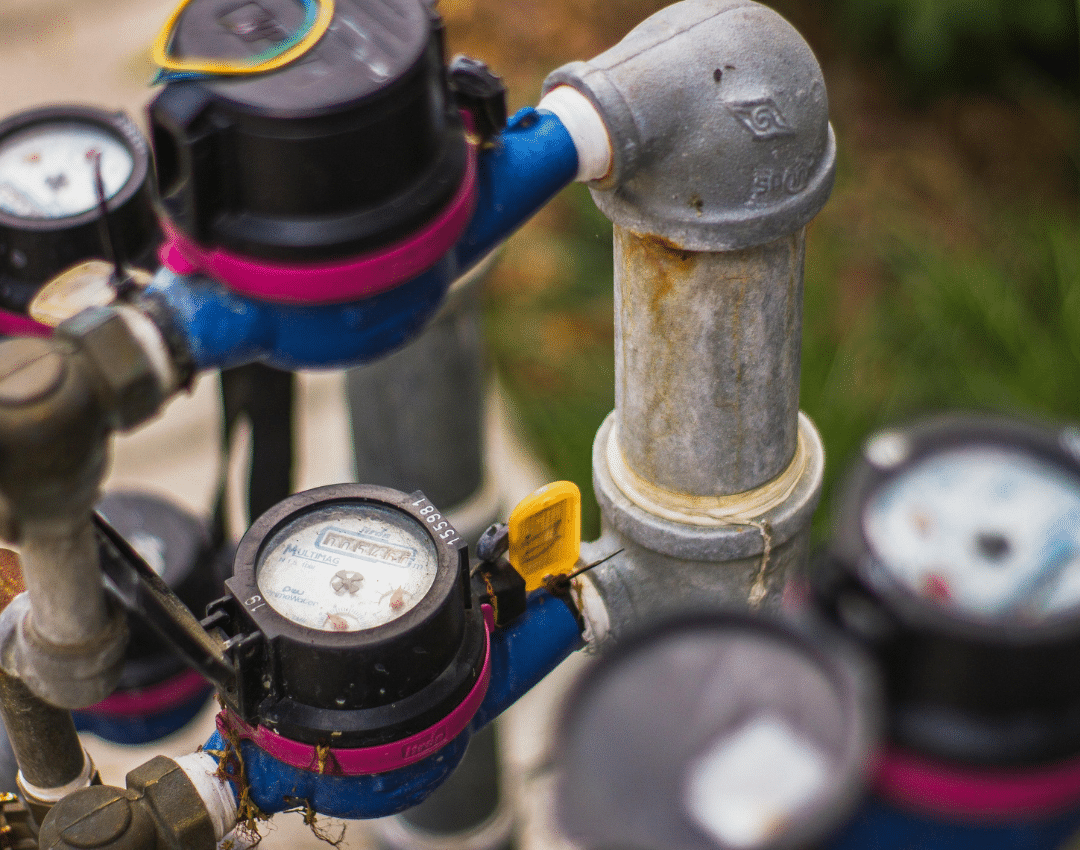
A quick meter check before you lock up
If your home has a water meter, checking it before you leave and again when you return is one of the simplest ways to catch a problem early. Note the reading, close the stopcock, and compare it the day you get back. Any change at all means water moved somewhere while the house was empty.
Insurance and unoccupied homes
Buildings insurance rarely treats an empty home exactly like an occupied one. Many policies set conditions once a property is left unattended for an extended period, so check your schedule before you travel rather than after a claim. Some insurers ask you to isolate the water supply, keep the heating on at a minimum setting in colder months, or arrange for someone to check the property periodically.
Water damage is usually covered as standard under buildings insurance. Trace-and-access cover pays for finding a hidden leak and making good the search damage, separate from repairing the pipe itself. Price-comparison service Confused.com notes most buildings policies include trace-and-access cover of up to about £5,000 as standard.
None of that matters if the policy conditions were not met. A five-minute read of your unoccupancy clause beats an argument with an insurer after the fact.
Read the full policy schedule, not the summary leaflet. Unoccupancy conditions are usually buried in the small print rather than the headline cover. If you cannot find the relevant clause, call your insurer and ask directly what they expect of you before an extended trip away.
Away for the Summer and Want Peace of Mind?
If you are planning an extended trip and want your pipework checked before you go, we can survey the property and flag anything that needs attention while you still have time to sort it.
Smart leak detectors and shut-off devices
Turning the stopcock off yourself is free and takes two minutes, but it is not the only option. A growing number of homeowners fit smart water shut-off devices: a unit on the mains supply that monitors flow and closes automatically if it detects a pattern that looks like a leak, such as water running continuously for longer than normal household use would explain.
Some of these systems pair with a phone app, so you get an alert if flow starts while you are meant to be away. Others are simpler flow-limiting valves with no smart features at all. Either way, the appeal for holiday cover is obvious: the water stays on for anyone checking in, but a genuine leak still gets shut down automatically rather than running for two weeks unnoticed.
We do not sell or fit these devices ourselves, but if you already have one, it is worth testing it before a trip rather than assuming it will work when it matters. And if a device or a house-sitter reports unexplained damp or a musty smell while you are away, that is exactly the kind of early sign our water leak detection service is built to chase down before it gets worse.
| Option | Best for |
|---|---|
| Stopcock off, taps drained | Empty house, nobody checking in, free and immediate |
| Stopcock on, house-sitter visiting | Anyone needing water access while you are away |
| Smart shut-off device | Homes where water needs to stay live but you want automatic protection |
Coming home to a leak
If you get back and find damp patches, a musty smell, or the water meter has moved despite the stopcock being off, do not assume it will sort itself out. Close the stopcock straight away if it is not already shut, and avoid running appliances until you know where the water has gone.
A leak that has been running for a week or two while a house sat empty rarely announces itself with a puddle. More often it shows up as a soft patch of flooring, a bulge in a ceiling, or paint lifting on a wall. That is where our plumbing leak detection service earns its keep. We use thermal imaging, acoustic listening and tracer gas to find the source without lifting floors or opening up walls on a guess.
If the leak has come from outside the property boundary, Scottish Water’s 24/7 leak line on 0800 077 8778 is the right first call. Most Scottish households pay for water through council tax rather than a meter, per mygov.scot, so a leak here shows up as damage and wasted heat rather than a shock on a bill, which is one more reason to catch it early.
Ticked-off checklist before you lock up
- Stopcock located and tested. Confirm it turns freely well before the day you leave.
- Taps drained down. Open cold taps briefly after shutting the stopcock to clear residual pressure.
- Insurance schedule checked. Confirm any unoccupancy conditions for trips of your length.
- House-sitter briefed. Tell them whether the water is on or off, and where the stopcock is.
- Meter reading noted. Compare it against the reading on the day you return.
- Smart devices tested. If you have a shut-off valve or leak sensor, check it works before you go, not after.
Frequently Asked Questions
Yes, if nobody will be in the house while you are away. Turning the stopcock off removes the pressure that causes most leaks, so a weak joint or worn hose has nothing to push through. Leave it on only if a house-sitter or visitor needs running water.
Most commonly under the kitchen sink. In tenement flats it can be in a hall cupboard, under the stairs, or near the front door. If you cannot find yours, trace the incoming supply pipe or ask a plumber to point it out, ideally before your next trip away.
Usually not. Most heating circuits are sealed systems that do not draw on the mains day to day. Some pressurised systems and certain boilers do need mains water for automatic top-up, so check your boiler’s manual if you plan to leave the heating running while the water is off.
Possibly. Many buildings insurance policies set conditions once a home is left unoccupied for an extended period, such as isolating the water or arranging periodic checks. Read your policy schedule before an extended trip, since cover can be affected if those conditions are not met.
They can suit homes where the water needs to stay on for a house-sitter or timed system, but you still want protection against an undetected leak. These devices monitor flow and shut off automatically if usage looks abnormal. Test yours before travelling to be sure it works as expected.
Shut the stopcock immediately if it is not already off, and avoid running taps or appliances. Look for damp patches, bulging ceilings or a musty smell. If the source is not obvious, a professional leak detection survey can trace it without lifting floors or opening walls unnecessarily.
Turning the stopcock off is the main step, since it removes mains pressure. Opening the cold taps briefly afterwards drains the residual water sitting in the pipework, which covers the small amount of pressure and volume that remains in the system after the stopcock closes.
📍 Professional Leak Detection Across Scotland
Don’t Let a Small Problem Become a Big One While You’re Away
Whether you want a pre-holiday check of your pipework or a leak traced after you get back, our non-invasive surveys cover all of Scotland with same-day capability and an insurance-approved report on every job.